Lifestyle
The Government Says Your Kid’s Screen Time Is a Public Health Emergency
By Erica Coleman · May 22, 2026
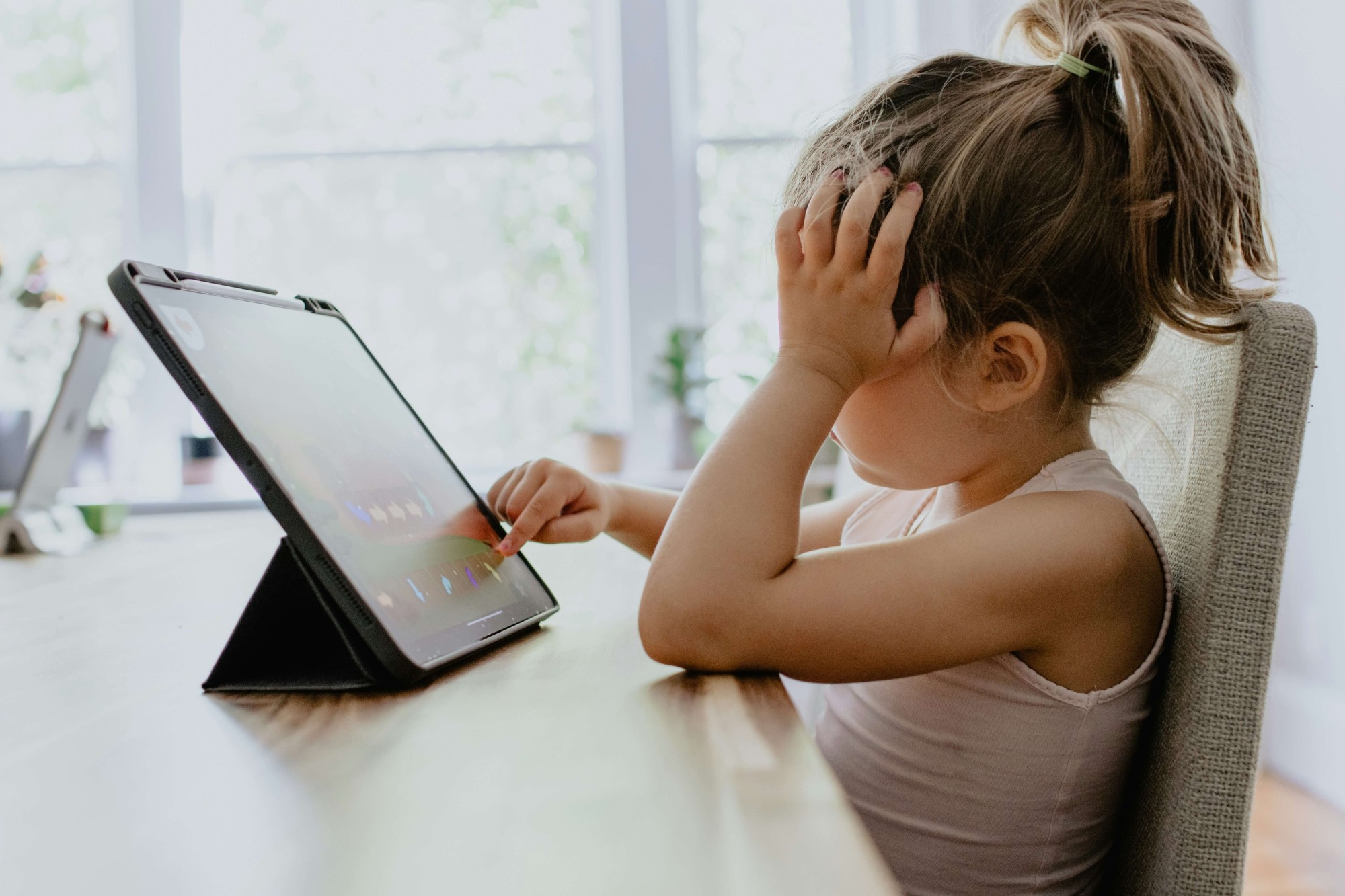
The federal government issued a public health warning Wednesday about children’s screen time — joining a growing consensus of pediatricians, psychologists, and neuroscientists who have been sounding the alarm for years while parents and schools largely tried to find a middle ground.
The Department of Health and Human Services released a surgeon general’s advisory warning that excessive screen use among children and teenagers has become a public health concern in the United States, with mounting evidence linking overuse to poor sleep, worsened academic performance, less physical activity, and serious mental health and behavioral problems.
The advisory was signed by Robert F. Kennedy Jr., who serves as HHS Secretary and whose MAHA — Make America Healthy Again — initiative has been the ideological framework for a series of health-related announcements from the administration. The Trump administration does not currently have a confirmed surgeon general. Acting authority was granted to Stephanie Haridopolos, who signed the advisory documents.
The specific guidance:
No screens at all for children under 18 months, with the exception of video calls. For children 18 months to 5 years, one hour per day maximum, with an adult watching alongside. For children 6 to 18 years, a maximum of two hours of recreational screen time daily, with clear prioritization of sleep, physical activity, and in-person social connection over screen access.
American children currently start watching screens before their first birthday — on average. By adolescence, American teens are spending more time on screens daily than they spend in school. The advisory notes that the harms are not hypothetical: they include disrupted sleep architecture, reduced physical fitness, weakened executive function, increased anxiety and depression, and behavioral dysregulation.
The advisory also addressed schools directly — endorsing bell-to-bell phone bans that prohibit students from accessing their devices from the moment they arrive until the moment they leave. This is a more aggressive position than the previous administration’s guidance, which had recommended limiting phones but stopped short of endorsing full school-day bans. The new advisory also recommends that schools assign work in books or on paper “whenever possible” and prioritize pen-and-paper curricula over digital alternatives.
For parents navigating an environment where their children’s schools assign homework on platforms, where socialization increasingly happens through devices, and where entertainment options are overwhelmingly screen-based, the advisory’s recommendations are aspirational in ways that many households will find difficult to implement practically. A surgeon general’s advisory carries the weight of a public health announcement — it is not law, and it imposes no compliance requirements on anyone.
But it is the federal government’s clearest statement yet that the experiment of giving children unlimited access to screens has produced measurable harm — and that the solution requires active intervention rather than passive management.