Lifestyle
7 Things Airlines Count On You Not Knowing About Your Rights
By Erica Coleman · June 8, 2026
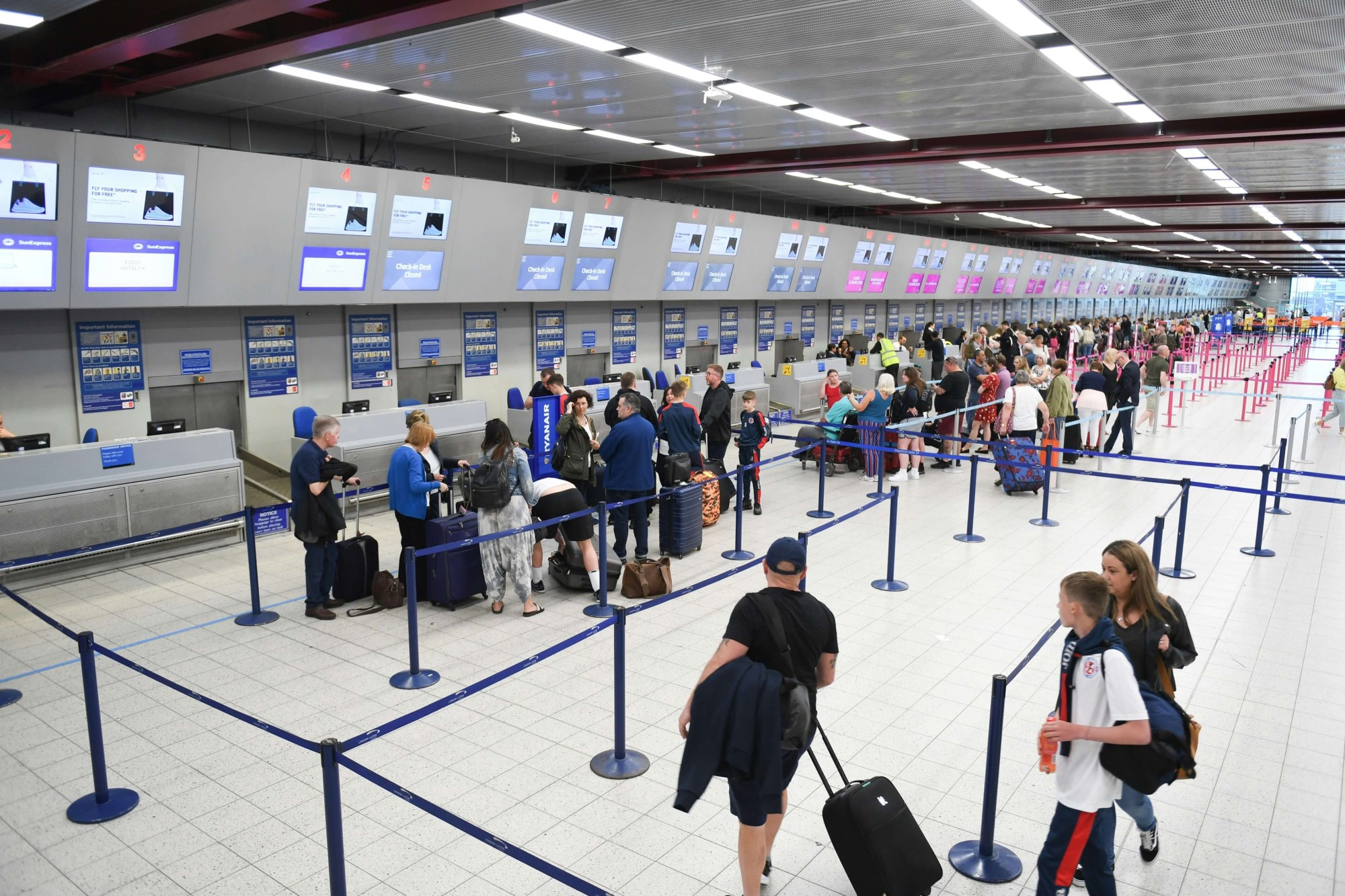
The Department of Transportation’s 2024 passenger rights rules — finalized after years of consumer complaints — significantly strengthened what airlines must provide when they cancel or significantly delay flights. Most travelers still don’t know what they are legally owed, and airlines count on that.
1. You are entitled to a cash refund for canceled flights — not a voucher
This is the most important change from the DOT’s 2024 passenger rights rules. If an airline cancels your flight for any reason, you are entitled to a full cash refund to your original payment method — not a travel credit, not a voucher, not miles. The refund must be processed within seven business days for credit card purchases and within 20 business days for cash purchases. If an airline offers you a voucher first, you can decline it and request the cash refund you are entitled to.
2. You are entitled to a cash refund for significant delays
The DOT defines a “significant delay” as three or more hours for domestic flights and six or more hours for international flights. If your flight is delayed by these amounts, you are entitled to a full cash refund if you choose not to travel — even if the airline eventually operates the flight. You do not have to accept the delay.
3. Airlines must now provide meals, hotels, and transportation when delays are their fault
As of late 2024, the DOT requires airlines to proactively provide meal vouchers when a controllable delay causes a wait of three or more hours, hotel accommodations for overnight delays caused by the airline, and transportation to and from the hotel. These are now enforceable requirements — not goodwill gestures at the airline’s discretion. “Controllable” means anything other than weather — mechanical issues, staffing shortages, and air traffic control delays attributed to the airline all qualify.
4. You can claim compensation for lost or damaged baggage
Airlines are liable for lost, delayed, or damaged baggage up to $3,800 per passenger on domestic flights under DOT rules. If an airline loses your bag, you are entitled to reimbursement for reasonable expenses while waiting — including clothing and toiletries — and for the value of the bag’s contents if it is permanently lost. File a claim with the airline in writing and keep all receipts.
5. Overselling is legal — but bumping has a price
Airlines are legally permitted to sell more seats than they have. If you are involuntarily bumped from an overbooked flight, DOT rules require the airline to pay you compensation ranging from 200% to 400% of your one-way fare, depending on how long the delay is, up to $1,550. This is cash compensation — not a voucher. Voluntary bumping is different: when the airline asks for volunteers and offers incentives, you can negotiate the offer. The first offer is rarely the best one.
6. Credit card travel protections are separate from airline policies
Many travel credit cards include trip delay, trip cancellation, and lost baggage coverage as card benefits — coverage that applies independently of whatever the airline offers. If you paid for your flight with an eligible credit card, you may have a separate claim to file with your card issuer for expenses the airline won’t cover. Check your card’s benefits guide before accepting an airline’s final settlement offer.
7. You can file a DOT complaint — and it has consequences
If an airline violates your rights and refuses to remedy it, you can file a formal complaint with the DOT’s Aviation Consumer Protection Division at transportation.gov/airconsumer. Airlines are required to acknowledge DOT complaints and respond to them. DOT complaint data is publicly reported and affects airlines’ compliance records. A complaint costs nothing and takes 15 minutes. Airlines resolve a significant portion of passenger complaints once a formal federal complaint is filed.