Politics
Trump Doubles Down on Missiles and Warships Rather Than Changing Course
By Mike Harper · April 4, 2026
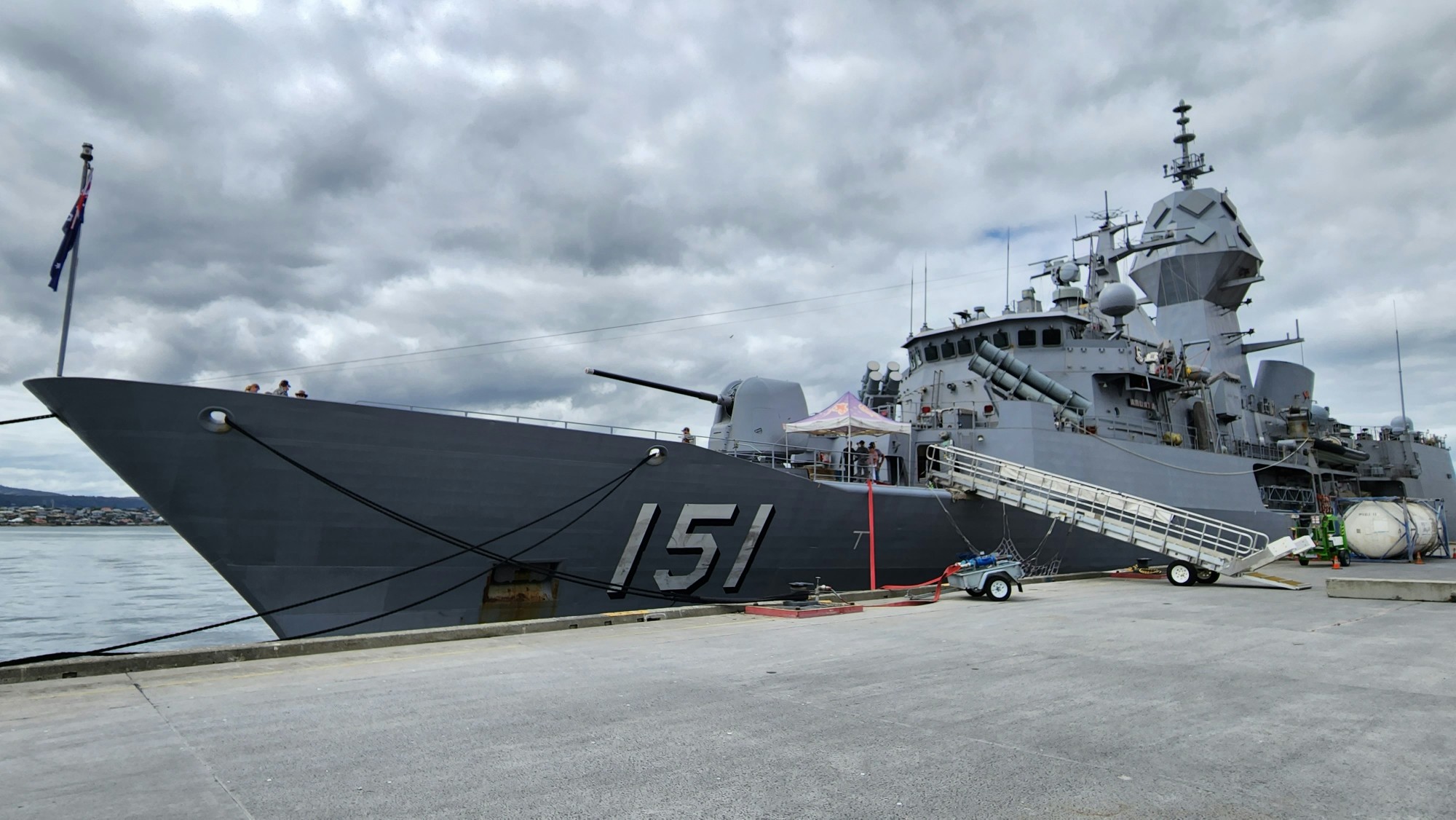
A new defense proposal from President Donald Trump leans heavily into missile systems and naval expansion, reinforcing a strategy that has been building over time rather than signaling any major shift in direction.
According to reporting from Reuters, the plan directs substantial funding toward large-scale military assets, including missile infrastructure and expanded shipbuilding efforts. Coverage from The Associated Press points to similar priorities in recent defense planning cycles, suggesting this latest proposal is less about change and more about continuation.
That’s what stands out.
This isn’t a reset. It’s a reinforcement.
Missile systems and naval power have long been central to U.S. military strategy. They’re visible, measurable, and closely tied to deterrence. A larger fleet or expanded missile capability sends a straightforward signal—both to allies and potential adversaries—about readiness and long-term strength.
That clarity has value.
But it also narrows the focus.
Defense budgets, even large ones, involve trade-offs. Prioritizing ships, missiles, and long-term infrastructure means other areas are competing for what remains. That includes cyber capabilities, emerging technologies, and more flexible systems that don’t always carry the same immediate visibility.
Those decisions don’t always show up right away.
Sometimes they take time to surface, as different parts of the military adapt to shifting funding priorities. What gets emphasized tends to grow stronger. What gets less attention can lag, even if it remains strategically important.
There’s also a broader signaling effect. Defense spending isn’t just about capability—it’s also about communication. Other countries watch where resources are going, especially when those investments reinforce existing strengths instead of pivoting toward new ones.
That interpretation can carry weight.
For now, the proposal suggests a continued preference for scale and presence. Large systems. Long timelines. Investments that reinforce existing military posture rather than reshape it.
That doesn’t mean the plan is final.
Congress still has a say, and defense budgets rarely move forward unchanged. Lawmakers often adjust funding levels, reallocate priorities, and push back on specific areas where they see imbalance.
And those adjustments can matter as much as the proposal itself.
Because the final version of a defense budget is usually the product of negotiation, not just initial intent.
Still, the direction is clear.
This proposal leans into traditional forms of military strength—ships, missiles, and infrastructure designed for long-term capability. Whether that approach holds through the legislative process is still an open question.
But for now, the message is consistent.
Stay the course.