Politics
Trump Imposed 50% Tariffs on Most Canadian Goods. They Take Effect in 30 Days.
By Mike Harper · July 21, 2026
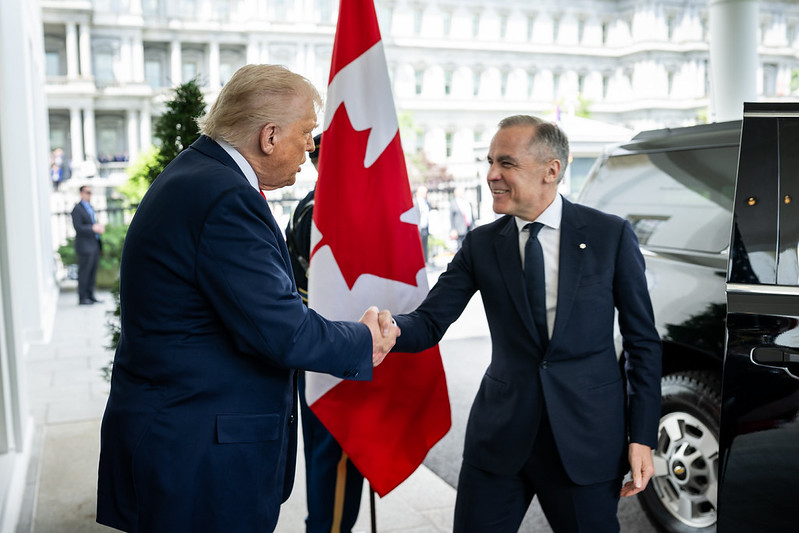
The trade agreement that was supposed to govern US-Canada commerce until 2036 just became irrelevant.
President Trump signed three proclamations Monday imposing 50% tariffs on most Canadian imports, covering goods ranging from wine, cheese and dairy products to cement, hockey sticks and motor vehicles — and explicitly overriding protections that had been built into the United States-Mexico-Canada Agreement. The tariffs take effect in 30 days, giving negotiators a narrow window before prices start moving.
The administration invoked Section 338 of the Tariff Act of 1930, an obscure legal authority that allows a president to respond to discriminatory treatment of US commerce by foreign governments — a provision that analysts have called a “nuclear option” precisely because it sidesteps the normal trade agreement framework. Senior White House officials cited Canada’s retaliatory tariffs from 2025, when Canada responded to Trump’s earlier trade actions with tariffs on $155 billion worth of US goods, and said Canada was one of only two countries — along with China — that had retaliated rather than negotiated.
“By doing this, President Trump is leveling the playing field for crucial American exports: motor vehicles, alcohol, and dairy.” a senior administration official said on a call with reporters.
Exemptions were carved out for energy products, potash, fish, and certain critical minerals — goods where American industry depends heavily on Canadian supply. Everything else is covered. The 50% rate applies even to goods that had previously been duty-free under the USMCA, a treaty the Trump administration chose not to renew, setting off a new round of negotiations that officials say could run until 2036.
Canadian Prime Minister Mark Carney called the tariffs “in direct violation” of the USMCA and said Canada is prepared to intensify negotiations. Ontario Premier Doug Ford was more direct: “If these tariffs proceed, Canada should respond tariff for tariff, dollar for dollar.”
Canada is the United States’ second-largest trading partner, with roughly $760 billion in goods crossing the border annually. The products covered by Monday’s proclamations are woven into the supply chains of American manufacturers and the grocery bills of American households. Canadian dairy and cheese flow into US products at every price point. Canadian cement and lumber feed US construction. Canadian auto parts travel across the border dozens of times during the production of a single vehicle.
The 30-day window before the tariffs take effect is deliberate — it reflects the Trump administration’s pattern of announcing tariffs as leverage rather than as fixed policy. Earlier rounds of tariff announcements against Canada were later modified or delayed after negotiations produced concessions. The Canadian Chamber of Commerce called Monday’s action a “regrettable escalation” and urged both governments to use the coming month to advance talks.
Whether they do will determine whether the prices Americans pay for Canadian goods in September look anything like what they pay today.