Politics
Trump Order on Mail-In Voting Sets Up Legal Fight Over Federal Authority
By Mike Harper · April 1, 2026
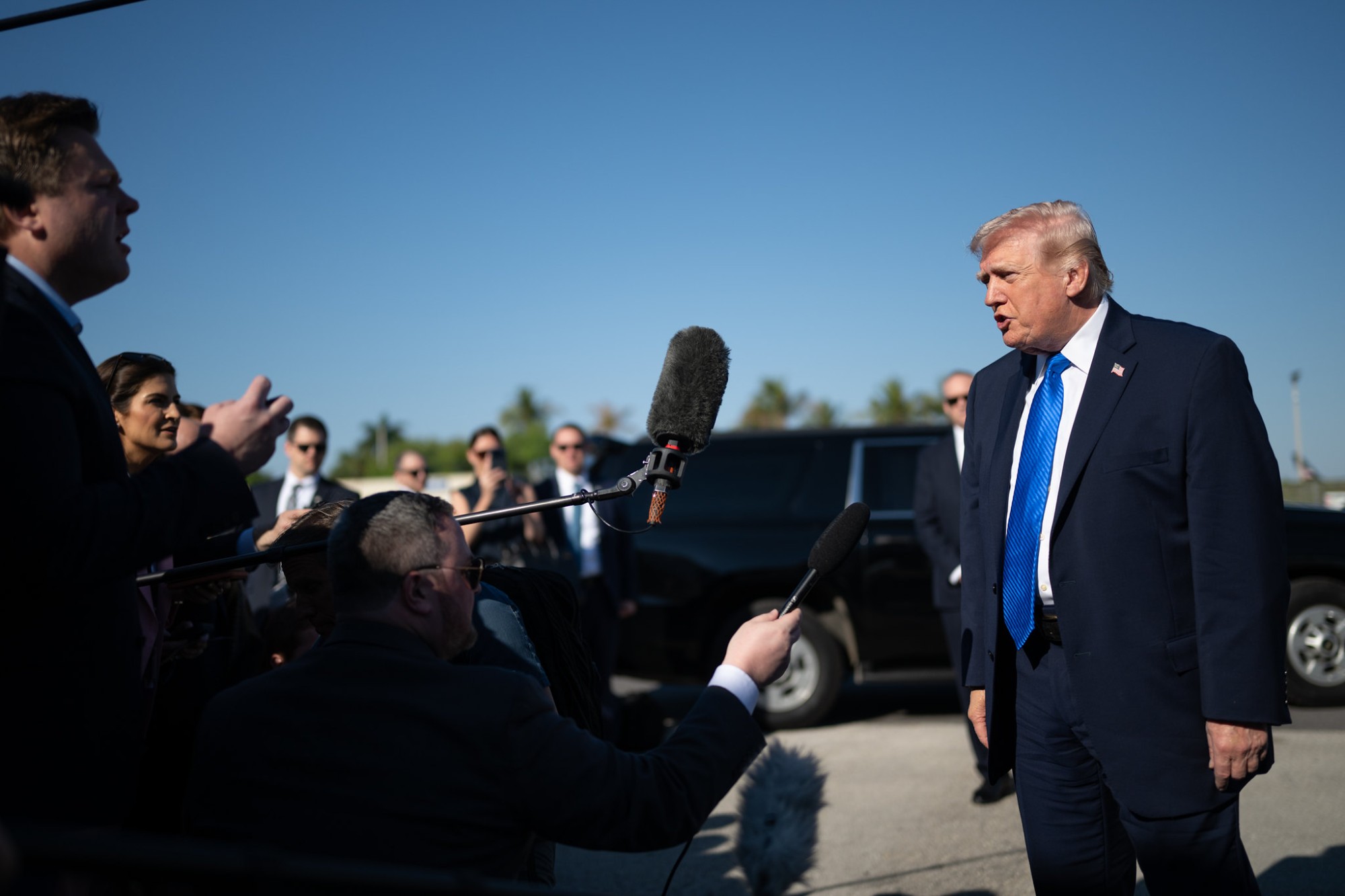
A new executive order aimed at tightening mail-in voting rules is already drawing legal scrutiny, with early questions focused less on the details of the policy and more on whether the White House has the authority to impose it in the first place.
In its initial coverage, Reuters reported that the order would push for stricter voter verification standards and more uniform handling of mail ballots across states. The administration has framed the move as an effort to reduce inconsistencies and strengthen confidence in election outcomes.
But election administration in the U.S. has never really worked as a centralized system. States set their own rules, run their own processes, and in many cases have built systems that look very different from one another.
That’s where the friction is starting to show.
As The Associated Press noted in its reporting on similar federal proposals, legal challenges are expected almost immediately. The core argument is fairly straightforward: even if the federal government can regulate certain aspects of elections, it’s not clear how far that authority extends when it comes to day-to-day administration.
There’s also a practical layer that’s harder to ignore. Some states rely heavily on mail voting, while others use it sparingly. A uniform federal standard could land very differently depending on where it’s applied — tightening processes in some places while forcing more significant changes in others.
Concerns about access have already surfaced. Voting rights groups point to older voters, military personnel, and rural communities as groups that could be affected if requirements become more restrictive. Supporters of the order, though, argue that consistency across states has been lacking for years and that clearer rules could help address that.
What happens next will likely play out in court.
Executive actions in this space tend to move quickly, but they’re also challenged quickly. Judges may be asked to weigh not just the specifics of the order, but the broader question underneath it — how much control the federal government should have over elections that are largely run at the state level.
The outcome isn’t especially predictable. If the order is upheld, it could signal a shift toward more federal involvement. If it’s blocked, it reinforces the existing structure.
Either way, it’s unlikely to be the last time this issue comes up.