World
Trump Signed the Iran War Truce at Versailles as 60-Day Nuclear Talks Begin
By Mike Harper · June 18, 2026
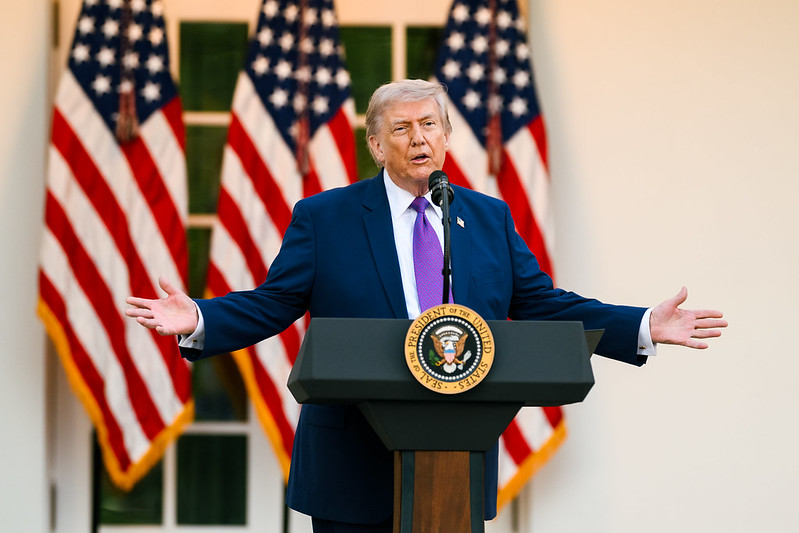
The signing was supposed to happen in Geneva. Trump moved it to Versailles.
The president flew to France overnight and signed the US-Iran memorandum of understanding Thursday morning at the Palace of Versailles — the most theatrical backdrop available on short notice for a deal he called “the greatest in the history of the world.” Iranian Foreign Minister Abbas Araghchi signed electronically from Tehran. The war that started February 28 has a signed framework to end it. Whether the framework holds is the question the next 60 days will answer.
The MOU contains 14 points covering the immediate ceasefire, the reopening of the Strait of Hormuz, the lifting of Trump’s naval blockade, and the structure of the nuclear negotiations that begin now. On the military side, both countries halt offensive operations immediately. The strait opens to commercial traffic within 72 hours. The US naval blockade is lifted simultaneously.
The nuclear side is where the deal gets complicated.
Iran’s position, stated publicly by Araghchi within hours of the signing, is that the 60-day nuclear negotiation window does not begin until the United States releases approximately $25 billion in frozen Iranian assets currently held in overseas accounts. The US position, as stated by Secretary of State Marco Rubio, is that sanctions relief — including the release of frozen assets — comes only after Iran makes verifiable concessions on its nuclear program. The two sides signed the same document and immediately described its sequencing in opposite terms.
Trump addressed the contradiction at a brief press availability after the ceremony.
“We have a deal. A great deal. The details will work themselves out.”
Iran also has not dropped its demand for compensation for what it calls the illegal US military campaign — a figure Iranian officials have described as being in the hundreds of billions of dollars. That demand is not addressed in the MOU. Neither is an Omani proposal to toll commercial vessels transiting the strait as a revenue mechanism for Iran — a provision Trump publicly rejected but that Iran’s negotiators have not formally withdrawn.
Back in Washington, the reaction on Capitol Hill was bipartisan frustration rather than bipartisan celebration. Members of the Senate Foreign Relations Committee — in both parties — said Thursday they have still not seen the full text of the agreement. The administration has classified the document. The Iran Nuclear Agreement Review Act requires the White House to submit nuclear agreements to Congress for a 30-day review period. The administration has not confirmed whether it considers the MOU subject to that law.
The war lasted 107 days. Thirteen American service members were killed. The Strait of Hormuz is reopening. Gas prices are expected to begin declining within two weeks. The 60-day clock toward a permanent nuclear agreement starts now — with the two parties already publicly disagreeing about the first step.
The signing was supposed to happen in Geneva. Trump moved it to Versailles.
The president flew to France overnight and signed the US-Iran memorandum of understanding Thursday morning at the Palace of Versailles — the most theatrical backdrop available on short notice for a deal he called “the greatest in the history of the world.” Iranian Foreign Minister Abbas Araghchi signed electronically from Tehran. The war that started February 28 has a signed framework to end it. Whether the framework holds is the question the next 60 days will answer.
The MOU contains 14 points covering the immediate ceasefire, the reopening of the Strait of Hormuz, the lifting of Trump’s naval blockade, and the structure of the nuclear negotiations that begin now. On the military side, both countries halt offensive operations immediately. The strait opens to commercial traffic within 72 hours. The US naval blockade is lifted simultaneously.
The nuclear side is where the deal gets complicated.
Iran’s position, stated publicly by Araghchi within hours of the signing, is that the 60-day nuclear negotiation window does not begin until the United States releases approximately $25 billion in frozen Iranian assets currently held in overseas accounts. The US position, as stated by Secretary of State Marco Rubio, is that sanctions relief — including the release of frozen assets — comes only after Iran makes verifiable concessions on its nuclear program. The two sides signed the same document and immediately described its sequencing in opposite terms.
Trump addressed the contradiction at a brief press availability after the ceremony.
“We have a deal. A great deal. The details will work themselves out.”
Iran also has not dropped its demand for compensation for what it calls the illegal US military campaign — a figure Iranian officials have described as being in the hundreds of billions of dollars. That demand is not addressed in the MOU. Neither is an Omani proposal to toll commercial vessels transiting the strait as a revenue mechanism for Iran — a provision Trump publicly rejected but that Iran’s negotiators have not formally withdrawn.
Back in Washington, the reaction on Capitol Hill was bipartisan frustration rather than bipartisan celebration. Members of the Senate Foreign Relations Committee — in both parties — said Thursday they have still not seen the full text of the agreement. The administration has classified the document. The Iran Nuclear Agreement Review Act requires the White House to submit nuclear agreements to Congress for a 30-day review period. The administration has not confirmed whether it considers the MOU subject to that law.
The war lasted 107 days. Thirteen American service members were killed. The Strait of Hormuz is reopening. Gas prices are expected to begin declining within two weeks. The 60-day clock toward a permanent nuclear agreement starts now — with the two parties already publicly disagreeing about the first step.