U.S. News
Warsh Defends Fed Independence as Trump Publicly Demands Rate Cuts
By Mike Harper · April 23, 2026
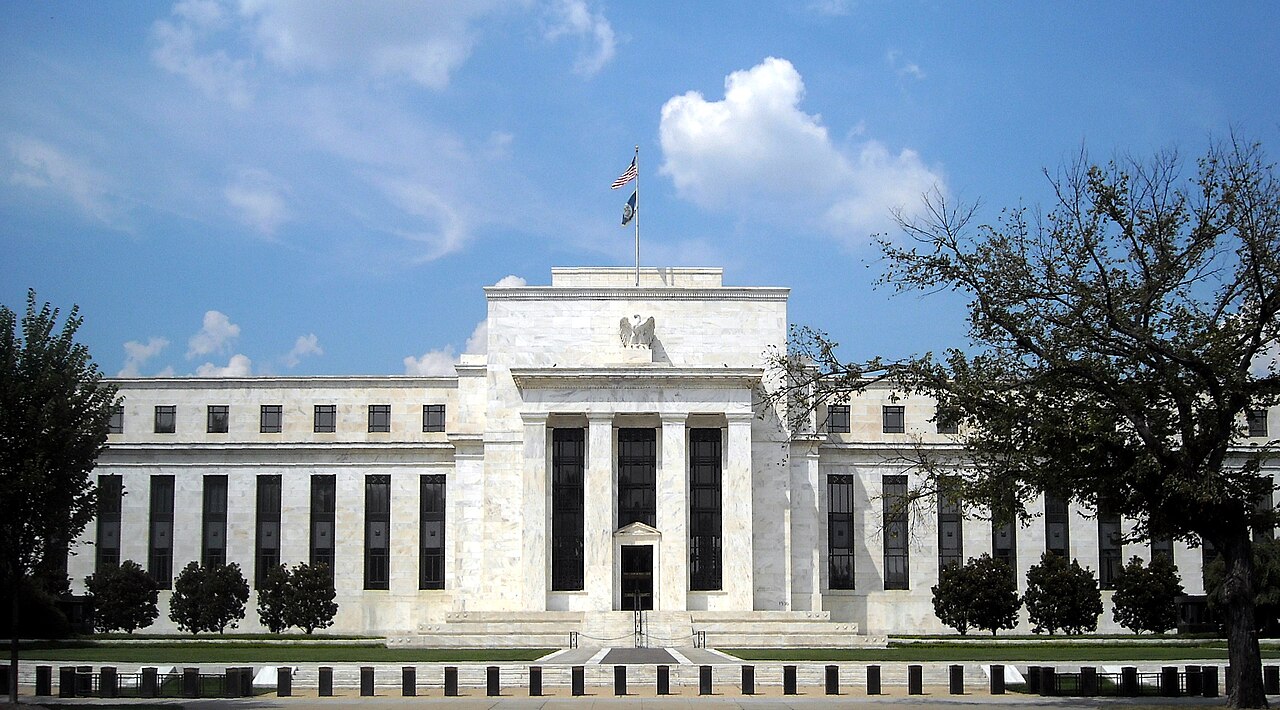
Kevin Warsh spent Tuesday telling the Senate he would not take rate-cutting orders from the White House. Donald Trump spent the same morning on CNBC telling the country he expected his next Fed chair to deliver them.
That tension defined Warsh’s confirmation hearing before the Senate Banking Committee — a session that was anything but the routine rubber stamp that Fed chair hearings typically are. Democrats came loaded with pointed questions about his finances, his independence, and his history of reversals. One key Republican announced he would block the nomination entirely. And Trump, from the CNBC set, provided a real-time demonstration of exactly the pressure his nominee was insisting he could withstand.
“The president never asked me to predetermine, commit, fix, decide on any interest rate decision in any of our discussions, nor would I ever agree to do so,” Warsh told the committee.
Senator Elizabeth Warren, the ranking Democrat on the committee, was unpersuaded. She called Warsh “uniquely ill-suited” for the job and accused him of being a “sock puppet” for a president who has repeatedly stated he would only nominate a Fed chair willing to cut rates aggressively.
“Trump’s economic failures are causing him political problems and he wants the Fed to use monetary policies to artificially juice the economy,” Warren said.
Warsh pushed back with a quip. When Warren pressed him on independence, he joked that his one genuine disagreement with Trump was the president’s description of him as looking like he was “out of central casting.”
“Adorable,” Warren replied. “But we need a Fed chair who is independent.”
The more immediate problem for Warsh’s confirmation is not Warren — it is Senator Thom Tillis, a Republican from North Carolina whose vote is needed to clear the 24-member Banking Committee. Tillis said he will not support any Fed nominee until the Justice Department drops its ongoing criminal investigation into current Fed Chair Jerome Powell over a renovation of the Fed’s headquarters. That investigation is unrelated to Warsh, but Tillis said its existence has poisoned the confirmation process with politics. Without Tillis, the committee splits 12-12, and Warsh goes nowhere.
Democrats also pressed Warsh on more than $100 million in financial assets he did not disclose in detail, asking only for the private funds holding them. He said he would convert the holdings to something “vanilla,” resembling cash, within the required timeframe after confirmation, but senators from both parties found his answers on financial transparency inadequate.
Former Fed Chair Janet Yellen added an external complication, saying she does not believe Warsh could easily move the Federal Open Market Committee toward his preferred policy changes. Rate decisions require a majority of the twelve-member committee, and many sitting members remain wary of cutting rates before inflation reaches the Fed’s 2% target.
Warsh framed his candidacy as a call for what he repeatedly described as “regime change” at the Fed — arguing the institution has lost public credibility since the pandemic inflation spike and needs a fundamental rethinking, not just a rate adjustment. That argument may be his strongest asset and his most politically complicated one: it is simultaneously the case for his nomination and evidence, for his critics, of why he was chosen.
Powell’s term expires next month. Warsh’s path to replacing him runs through a committee stalemate, a pending criminal investigation, and a president publicly demanding the very rate cuts his nominee just testified he would never promise.