Lifestyle
What Happens to Your Body When You Consistently Sleep Less Than 6 Hours After 50
By Erica Coleman · August 31, 2026
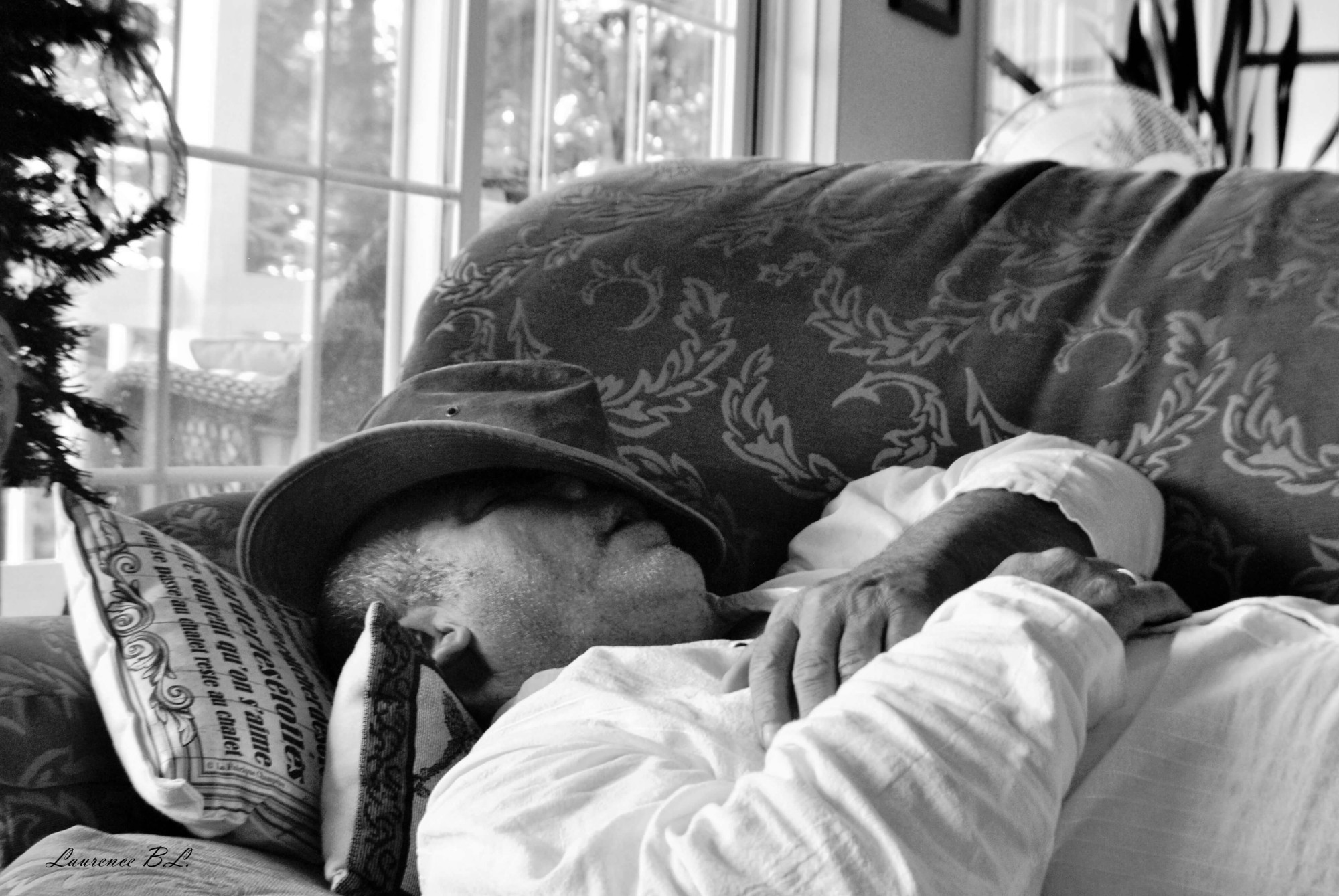
You’ve been getting five and a half hours for years. You adjusted. You function. What you can’t see is that your cardiovascular system, your immune defenses, and your cognitive sharpness are all paying a price your morning coffee can’t cover.
One in three adults over 50 sleeps less than six hours a night, according to the National Council on Aging. Many wear it as a badge — “I don’t need much sleep.” But the research published in the last two years is unambiguous: chronic short sleep after 50 is not a personality trait. It’s a risk factor.
Your heart is working harder than it should be. Adults who consistently sleep fewer than six hours have a significantly elevated risk of hypertension, heart attack, and stroke compared to those sleeping seven to eight hours. Sleep is when your blood pressure naturally drops — a process called nocturnal dipping. When sleep is consistently cut short, the dipping window shrinks, and your cardiovascular system operates at elevated pressure for more hours per day. Over years, that excess wear compounds.
Your immune system is running on empty. Sleep is when your body produces cytokines — proteins that direct immune response. Chronic sleep deprivation reduces cytokine production and weakens the antibody response to vaccines, which is why sleep-deprived adults are more susceptible to infections and respond less effectively to flu shots and COVID boosters. After 50, when immune function is already declining naturally, short sleep accelerates the decline.
Your brain is accumulating damage it can’t clear. During deep sleep, the glymphatic system — your brain’s waste-removal network — flushes beta-amyloid and tau proteins that accumulate between neurons during waking hours. These are the same proteins implicated in Alzheimer’s disease. A 2025 study of 140 adults aged 40 to 60 found that those sleeping fewer than six hours showed significantly greater declines in memory, executive function, and attention over a three-year period — even after adjusting for age, sex, and existing health conditions.
Your metabolism shifts toward weight gain and insulin resistance. Sleep deprivation increases ghrelin (the hunger hormone) and decreases leptin (the satiety hormone), creating a hormonal environment that drives overeating — particularly of high-carbohydrate, calorie-dense foods. It also impairs insulin sensitivity, pushing your body toward the same metabolic dysfunction that characterizes prediabetes. The belly fat that seems impossible to lose after 50 may be as much a sleep problem as a diet problem.
Your emotional regulation is eroding. The prefrontal cortex — the part of your brain that manages impulse control, emotional regulation, and decision-making — is one of the first regions affected by sleep loss. Chronic short sleepers report higher rates of irritability, anxiety, and depressive symptoms. After 50, when life stressors often intensify (caregiving, retirement anxiety, health concerns), the emotional resilience that sleep provides matters more, not less.
The National Sleep Foundation recommends seven to eight hours for adults over 50. The gap between what you’re getting and what your body needs isn’t something you adapt to. It’s something your body absorbs — silently, cumulatively, and in ways that don’t announce themselves until the damage has been accumulating for years.