Lifestyle
Your Grocery Bill Is About to Get Worse. Here’s What’s Coming.
By Erica Coleman · May 30, 2026
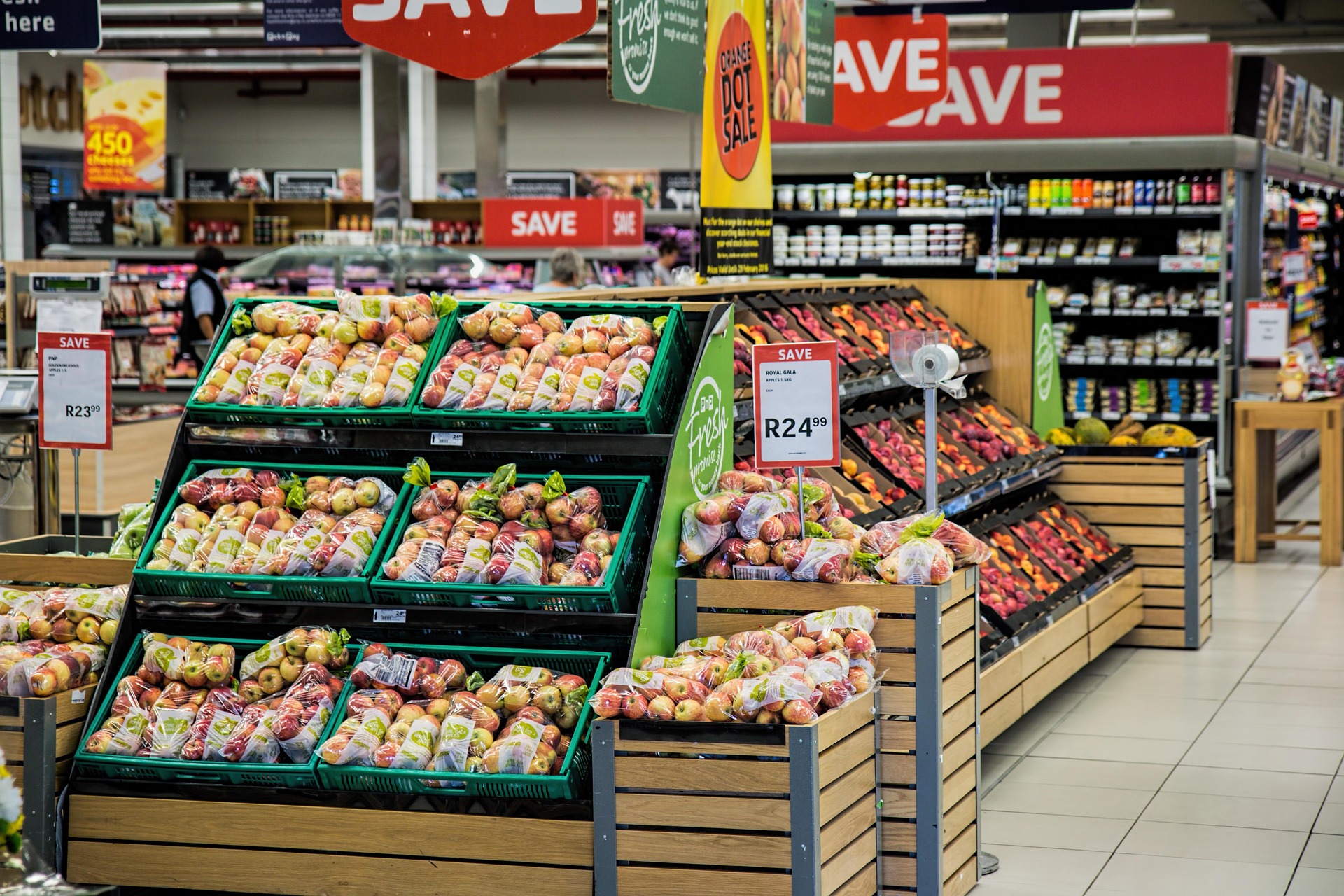
The April grocery data was bad enough on its own. Food prices rose 0.7% in a single month — the biggest one-month jump in nearly four years, according to the Bureau of Labor Statistics. Fresh fruits and vegetables led the surge, up 6.1% in April from a year earlier. Tomatoes alone are up 40% year-over-year — a direct consequence of the 17% tariff the Trump administration imposed on fresh tomatoes from Mexico, which supplies 90% of all imported tomatoes sold in the United States.
The harder news is what’s coming. Economists are warning that April was not the peak.
“The USDA Economic Research Service is now forecasting grocery price inflation to be at or even slightly above the historical normal,” said Richard Volpe, a former USDA economist now at California Polytechnic State University. “But I do think that food price inflation will continue to rise through 2026 and could quickly surpass the rolling average for the past 20 years.” Volpe’s personal forecast puts grocery inflation at 4% to 4.5% by year’s end — above the USDA’s official projection of 3.2%.
The mechanisms driving the increase are layered in ways that won’t resolve quickly. The Iran war’s effect on fuel costs is the most immediate factor — fuel is an input at every stage of the food supply chain, from powering farm equipment to refrigerating transport trucks to running store lighting. When energy prices rise, the cost of growing, processing, shipping, and selling food rises with them — typically with a delay of several months before the impact shows up at the shelf.
Climate is the second major driver. The US cattle herd is at a 75-year low, contributing to beef and dairy inflation that is accelerating independently of tariffs or energy costs. Drought conditions across much of California — which produces more than a third of the country’s vegetables — have reduced yields and driven produce prices higher in ways that will persist regardless of what happens with trade policy or the Iran war.
A USDA price outlook published May 22 forecasts food-at-home prices rising 2.4% for the full year, with a range of flat to 4.8%. That spread reflects genuine uncertainty about how the remaining Iran war and tariff dynamics play out.
James Giese, 62, of Madison, Wisconsin, described his own adjustment in a Bloomberg interview.
“I’m very concerned. I’m probably considered middle-income, but it’s starting to pinch.”
He has started growing potatoes in his backyard to supplement his food budget.
For grocery shoppers, the practical implications are consistent with what economists recommend during periods of sustained food inflation: shift toward whole foods and away from processed items, buy proteins in bulk when they go on sale, and substitute where possible — beans and lentils for meat, frozen vegetables for fresh when produce prices spike. These are the adaptations that household budgets make when prices stay elevated for long enough that they stop feeling like a temporary shock and start feeling like the new normal.
Based on current projections, that transition may already be underway.