Lifestyle
6 Firework Safety Rules Emergency Rooms Wish Every Family Followed
By Erica Coleman · July 2, 2026
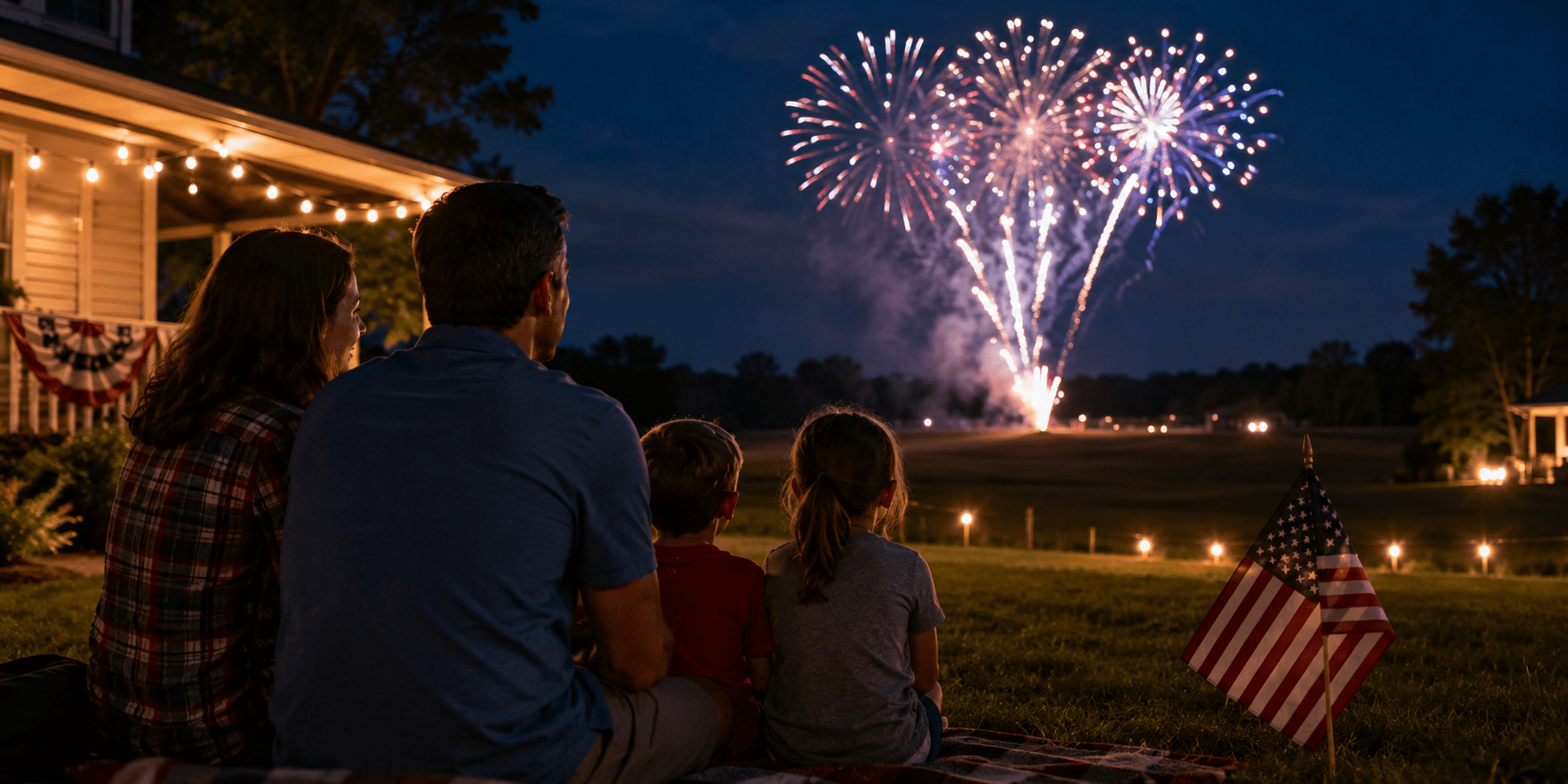
The Consumer Product Safety Commission estimates that approximately 10,000 Americans are treated in emergency rooms for firework-related injuries every year. Nearly half occur in the three weeks surrounding July 4th. The injuries are concentrated in hands, fingers, eyes, and faces — and a disproportionate number involve children under 15 and adults who were sober enough to know better.
1. Never give sparklers to children under 5
Sparklers burn at approximately 1,200°F — hot enough to melt gold. They are the single most common source of firework injuries to children under 5. Young children do not have the motor control to hold a burning metal rod safely, and they instinctively grab the hot end when it falls. For children under 5, glow sticks are the safe alternative. They produce the same visual effect without the burn risk.
2. Never relight a firework that didn’t go off
A firework that fails to launch is called a dud. Approaching a dud to relight it is how the most severe firework injuries happen — the device ignites at close range while someone is leaning over it. Wait 20 minutes. Then soak it in a bucket of water. Do not pick it up, do not try to relight it, and do not put your face near it. Twenty minutes feels like a long time. A hand surgery recovery takes months.
3. Keep a bucket of water and a hose nearby
Not near the house — near the launch area. Every firework you light should have a water extinguishing option within arm’s reach. After each firework is spent, place it in the bucket of water. Do not throw spent fireworks into a dry trash can or cardboard box. Residual heat can reignite surrounding material.
4. Never hold a lit firework in your hand
This rule exists because people violate it every year. Bottle rockets, Roman candles, and aerial shells are designed to be launched from the ground or a stable platform — not held. The ejection force, the sparks, and the explosive charge are all directed by the device’s design. Holding it changes the direction of those forces unpredictably. Put it on the ground, light it, and step back.
5. Maintain a clear launch zone of at least 150 feet from people and structures
The National Fire Protection Association recommends that spectators stand at least 150 feet from the area where consumer fireworks are being used. That’s half a football field. Most backyard displays have spectators standing 15 to 20 feet away — close enough that a misdirected mortar or a tipped-over launch tube sends a firework directly into the crowd.
6. Never use fireworks while impaired
Fireworks combine explosive material, open flame, and unpredictable trajectory. Alcohol impairs judgment, coordination, and reaction time. The combination is responsible for a significant percentage of the injuries treated in emergency rooms over the holiday weekend. If you’ve been drinking, watch. Don’t light.
If a burn occurs: run cool (not cold) water over the burn for at least 10 minutes. Do not apply ice, butter, or adhesive bandages to a fresh burn. If the burn is larger than 3 inches, involves the face, hands, feet, or genitals, or the skin appears white or charred, call 911 or go to the emergency room immediately.