Lifestyle
6 Things to Check Before Hiring a Moving Company
By Erica Coleman · July 11, 2026
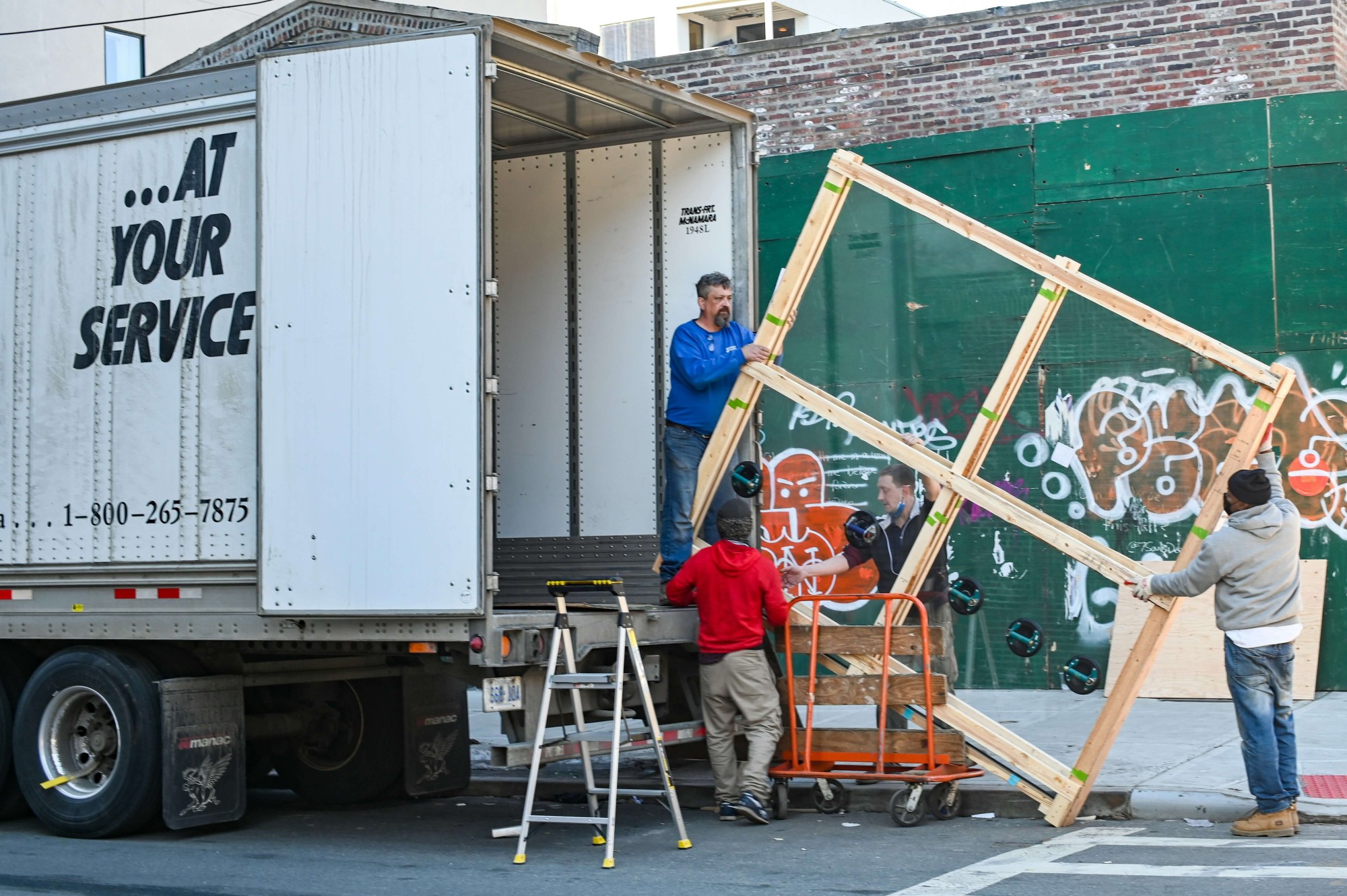
Roughly 35 million Americans move every year, and the Federal Motor Carrier Safety Administration built an entire consumer protection campaign — Protect Your Move — specifically because so many of them get burned doing it.
The scam follows a familiar pattern: a lowball quote, a truck full of your belongings, then a demand for triple the price before anything gets delivered. Some victims never see their belongings again. Here’s what federal regulators and consumer watchdogs say to check before you sign anything.
Verify the USDOT number. Every legitimate interstate mover is required to register with FMCSA and display a USDOT number, which you can look up for free on the agency’s website. Punch it in and check the “Operating Status” field — it should say “Authorized.” If a company can’t or won’t give you this number, or if the number doesn’t check out, that’s not a paperwork oversight. It’s a company you should walk away from entirely.
Get an in-person estimate, not a phone quote. A reputable mover will send someone to physically look at your belongings — or at minimum do a video walkthrough — before giving you a firm price. The Department of Transportation’s Office of Inspector General warns that scammers routinely give rough phone estimates, collect a deposit, and vanish. If a company offers a binding quote without ever seeing what you own, treat it as a red flag rather than a convenience.
Watch how they price the job. Legitimate interstate movers price by weight, not by cubic footage. If a company gives you an estimate based on how much space your belongings would take up in the truck rather than how much they weigh, that’s one of the more common tells of a scam operation.
Ask for “Your Rights and Responsibilities When You Move.” Federal law requires movers to give you this booklet before an interstate move. It’s not optional paperwork — it’s baked into federal motor carrier regulations specifically to protect consumers. If a company skips it, or asks you to sign a blank or incomplete contract instead, don’t sign anything until you see the real document.
Never pay with cash, wire transfer, or a large deposit. Legitimate movers don’t demand full payment upfront, and most consumer advocates recommend paying no more than a small deposit before the job is done. A credit card gives you dispute protections that cash, wire transfers, and apps like Venmo or Zelle don’t. If a mover insists on an untraceable payment method and calls it “company policy,” that’s exactly the kind of policy a scam operation would have.
Check for a real physical address and consistent reviews. A generic phone greeting like “movers” instead of a company name, no traceable business address, or reviews that all appeared within a suspiciously short window are all signs FMCSA investigators have flagged repeatedly in fraud cases. A company that’s actually been in business for years should have years of scattered, organic reviews to show for it — not a cluster that appeared all at once.
If something goes wrong anyway — your belongings are held for more money, or a company simply disappears — FMCSA’s National Consumer Complaint Database is the place to report it, alongside your local police department. Acting quickly gives you the best chance of recovering what’s yours.
Start the process at least four to six weeks before your move. Rushing the decision is exactly what scammers are counting on.