Lifestyle
Buying Alcohol at Chicago Stores Just Got More Expensive
By Mike Harper · April 21, 2026
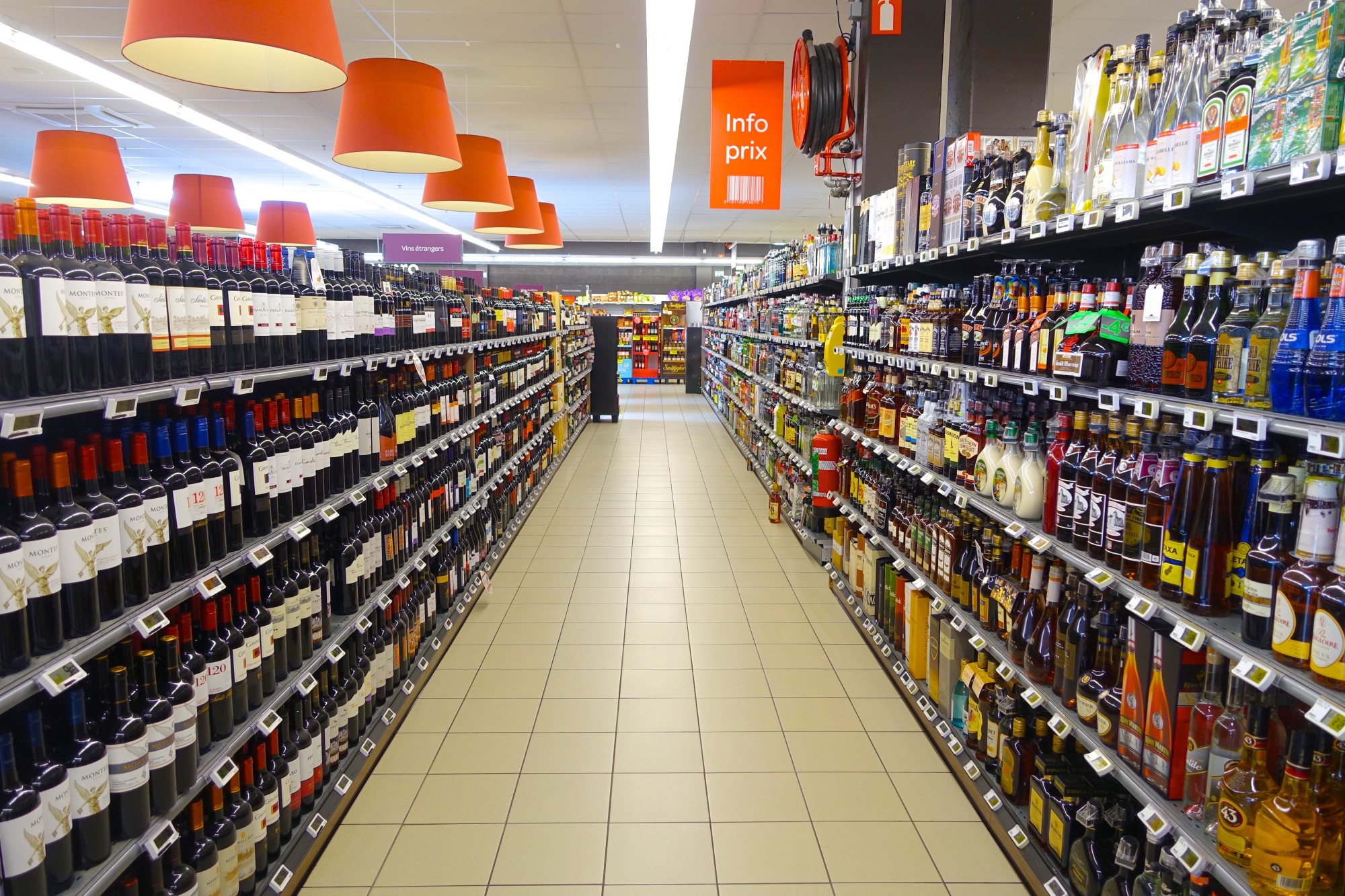
Chicago quietly added a new charge to your liquor bill this spring — and if you haven’t noticed it yet, it’s already there.
A 1.5% tax on off-premise alcohol purchases — meaning liquor, wine, and beer bought at grocery stores, liquor stores, and other retailers — took effect March 1 in Chicago, after being pushed back from the original January 1 start date to give retailers time to update their systems. The delay bought businesses a couple of extra months. It didn’t change the tax itself.
The change replaces what had previously been a per-gallon rate — a fixed dollar amount regardless of what you spent. The new 1.5% rate is percentage-based, meaning the more expensive the bottle, the higher the tax. A $10 six-pack adds about 15 cents. A $30 bottle of wine adds 45 cents. A $60 bottle of spirits adds 90 cents. It adds up quickly for households that stock up regularly.
This is not a dramatic single-line item on most receipts. It’s the kind of charge that shows up quietly at checkout — easily missed, easily absorbed without quite knowing where it went. But for Chicago-area families buying alcohol regularly for home use, the math accumulates over a year in ways that matter.
The broader consumer context makes it land harder. According to a JD Power study, 34% of small businesses now add credit card surcharges at checkout, and restaurant surcharges have jumped from 16% in 2022 to 20% in 2025. The University of Michigan’s consumer sentiment survey recorded its lowest-ever reading in April — worse than 2008, worse than the pandemic — driven in large part by the sense that costs are rising faster than people can track them, from gas prices to grocery bills to fees that appear without warning.
The Chicago liquor tax is a small piece of a much larger pattern. But it is a real, concrete change that hits the same household budget that is already absorbing gas above $4 a gallon, higher food costs from the Iran war’s supply-chain disruption, and the general sense that everything costs more than it did two years ago.
For Chicago shoppers, the practical takeaway is straightforward: check your receipts. The new tax should appear as a line item. If you’re buying alcohol regularly, it’s worth knowing what you’re paying — and why.
The city has not indicated any plans to roll back or reduce the tax.