Politics
The Iran War Has Cost $25 Billion. Congress Just Found Out.
By Mike Harper · April 30, 2026
For nine weeks, the United States has been at war with Iran. For nine weeks, Congress had not been told what it costs. On Wednesday, a Pentagon accountant said the number out loud for the first time: $25 billion.
Jules Hurst, the acting Pentagon comptroller, confirmed the figure during testimony before the House Armed Services Committee, telling lawmakers that Operation Epic Fury has cost approximately $25 billion to date, with the largest portion spent on munitions. The disclosure was the first time the cost of the conflict had been publicly acknowledged by the administration, and it came not as a prepared statement but in response to a direct question from Representative Adam Smith of Washington, the committee’s ranking Democrat.
The hearing was nominally about the Pentagon’s fiscal year 2027 budget request — a record $1.5 trillion that represents a roughly 40% increase over 2026 levels. But for the six hours it ran, it was effectively the first public accounting of the Iran war.
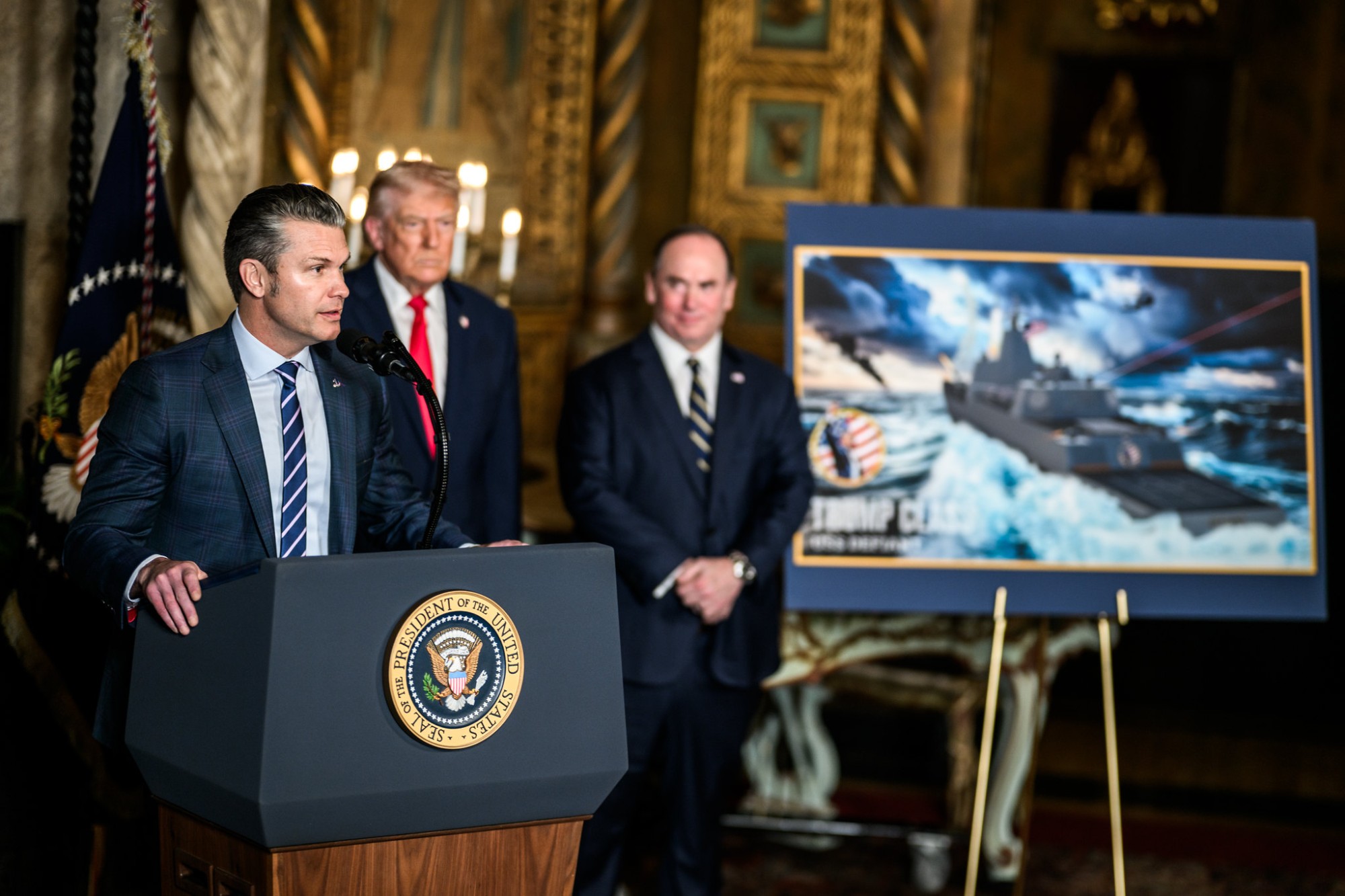
Defense Secretary Pete Hegseth, making his first congressional appearance since the conflict began, spent much of the hearing on defense — defending the war’s legality, defending its progress, and defending a budget request that members of both parties described as politically unrealistic. He did not tell lawmakers how much the war could ultimately cost. Hurst said only that a full supplemental spending request would eventually come from the White House, “once we have a full assessment of the cost of the conflict.”
Several members were skeptical of the $25 billion figure itself.
“Sounds low to me,” Senator Tim Kaine of Virginia told reporters outside the hearing room. He said he needed to be fully briefed before deciding what questions to ask at a separate Senate hearing Thursday.
Hegseth’s posture toward critical questioning was adversarial throughout. When Democrats questioned the war’s strategic rationale — noting that Iran’s nuclear program remains at the same point it was before the conflict began — Hegseth accused them of providing propaganda to America’s enemies.
“The biggest adversary we face at this point are the reckless, feckless and defeatist words of congressional Democrats and some Republicans,” Hegseth told the committee.
Representative Adam Smith’s response was direct: “We had to start this war, you just said, 60 days ago, because the nuclear weapon was an imminent threat. As we sit here today, Iran’s nuclear program is exactly what it was before this war started.”
Hegseth said Iran’s nuclear facilities had been “obliterated” — a claim he has used consistently for weeks — and that the goal remains bringing Iran “to a point where they’re at the table” and giving up nuclear ambitions.
The hearing also marked the first public disclosure that the Pentagon is seeking to codify Trump’s decision to rename the Defense Department the “Department of War” and rename the secretary position “Secretary of War” — a symbolic shift Hegseth said reflects the administration’s posture toward military power.
At the same moment the hearing was running, Brent crude oil hit $118 per barrel and U.S. crude reached $106 per barrel — figures that will feed directly into gasoline prices, jet fuel costs, and consumer prices in the weeks ahead.