Lifestyle
Thieves Stole LA’s Streetlights. Now Homeowners Are Getting the Bill.
By Mike Harper · April 28, 2026
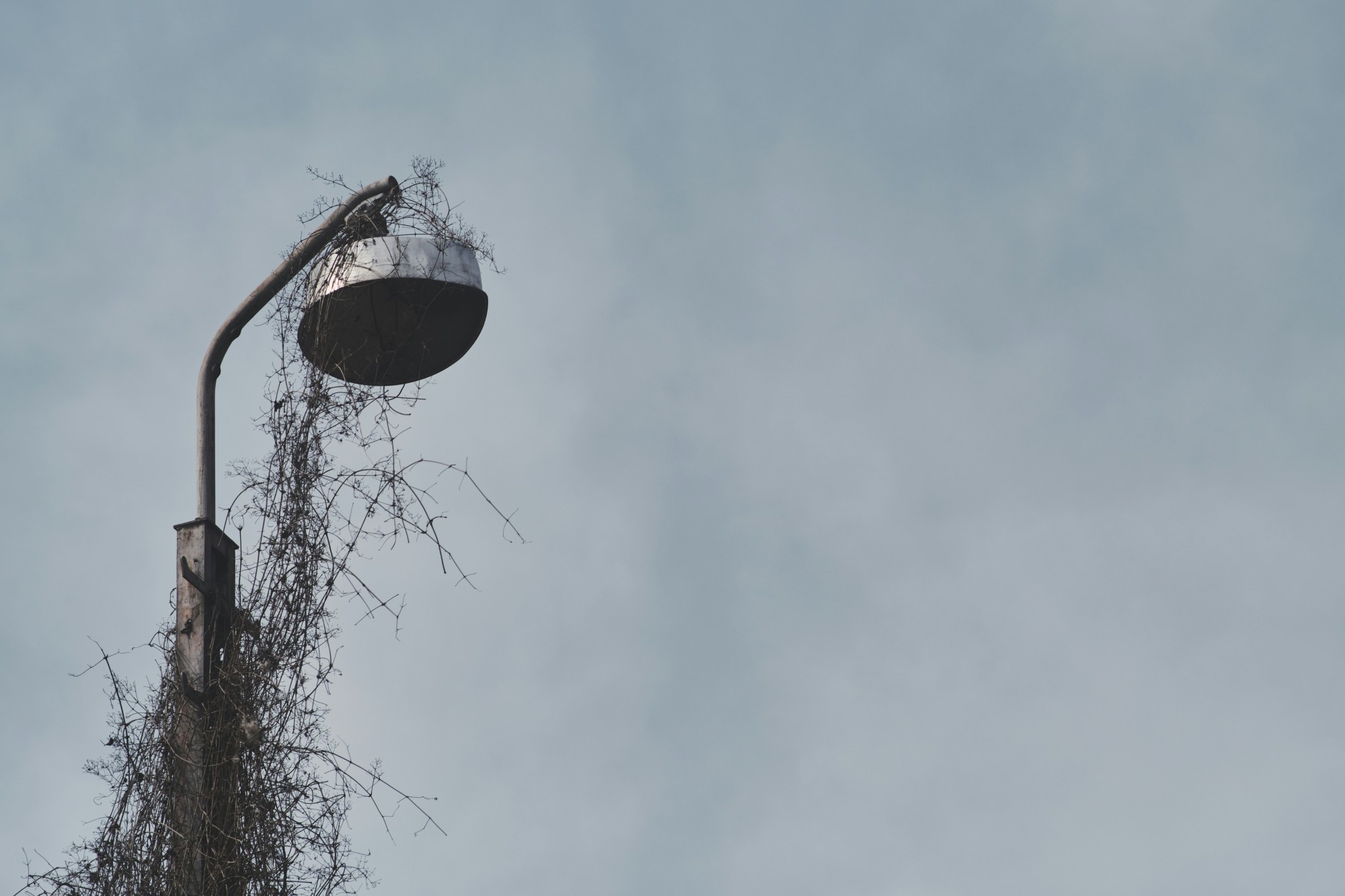
More than 200,000 streetlights across Los Angeles are broken or out of service. The city didn’t fail to maintain them. Thieves stripped the copper wire out of them — systematically, across years, across neighborhoods — leaving entire blocks of the nation’s second-largest city in darkness.
Now Los Angeles is asking its property owners to pay 120% more to fix the damage.
Ballots began arriving in mailboxes this week for more than 550,000 Los Angeles property owners, asking them to approve a Proposition 218 assessment that would raise annual streetlight fees by an estimated 120% to fund a $125 million replacement program. The current fee system has not been meaningfully updated since 1996. The city says it generates roughly $45 million annually — nowhere near enough to address a backlog built by decades of stagnant funding and accelerated in recent years by an organized copper theft epidemic.
The specific dollar amounts vary by property size and type. A single-family home on a roughly quarter-acre lot would be assessed an additional $147 per year in the first year, with the charge rising annually with inflation and appearing directly on property tax bills. Condominium owners would pay slightly less. A multi-family building with more than 50 units would face a charge of $1,529 per year.
The outrage the proposal has generated is not hard to understand. The question many property owners are asking is the same one the city has not answered cleanly: why are residents being asked to pay for damage caused by criminals the city could not stop?
The copper theft problem is not new and not small. The Los Angeles Bureau of Street Lighting maintains approximately 225,000 streetlights connected by 27,000 miles of copper wire running through 9,000 miles of underground conduit. Thieves have been systematically targeting that wire — digging up conduit, stripping copper, and selling it for scrap — for years. The city has struggled to keep up with repairs, with average streetlight repair times running approximately one year from the time an outage is reported to the time a crew actually fixes it.
Mayor Karen Bass, who has made streetlight repair a stated priority, argues that the replacement plan addresses the underlying vulnerability by swapping copper wire for solar-powered lights that have nothing worth stealing. The city is already replacing 60,000 streetlights with solar using General Fund money. The assessment ballot, if passed, would fund the replacement of the remaining 200,000.
The ballot mechanism has an unusual feature that homeowners should understand before deciding whether to respond. Under California’s Proposition 218, a ballot that is not returned counts as a yes vote. Only submitted protest ballots count against the measure. If more than 50% of assessed property owners return a protest ballot by the June 2 deadline, the fee increase cannot be collected. If most property owners do nothing — as most people do with local assessment mail — the fee passes.
The deadline to return a protest ballot is June 2, 2026.