Politics
Trump’s Iran Deal Is Signed but Congress Wants to Know What’s In It
By Mike Harper · June 17, 2026
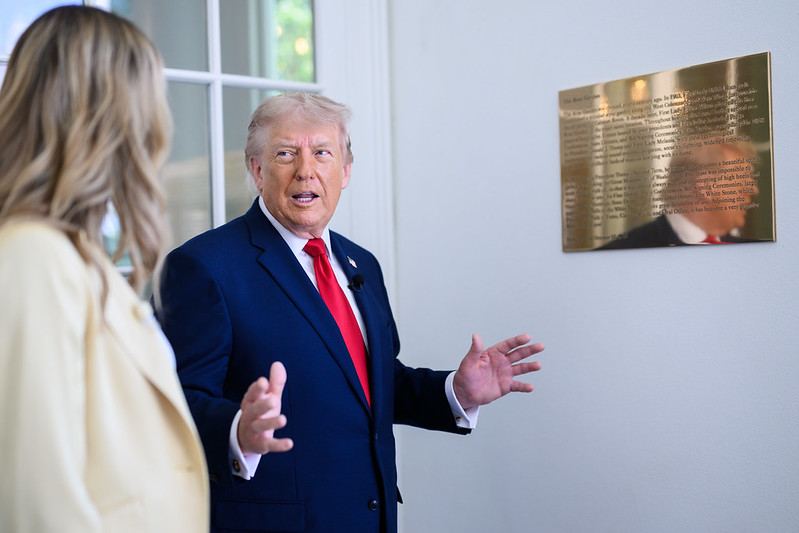
The framework is signed. The war is ending. The Strait of Hormuz is reopening. And members of Congress in both parties are asking a question that hasn’t been answered: what exactly did Trump agree to?
The memorandum of understanding signed by the United States and Iran commits both sides to a 60-day negotiation window on Iran’s nuclear program, a halt to offensive military operations, and the reopening of the Strait of Hormuz to commercial shipping. Those broad strokes have been public since Trump announced the deal on June 14. The specific terms — the sequencing of sanctions relief, the scope of inspections, the enforcement mechanisms, what happens if either side violates the framework — have not been disclosed.
That is the source of the storm now building on Capitol Hill.
Congressional leaders in both chambers have demanded access to the full text of the MOU. The White House has classified the document. Senate Foreign Relations Committee Chairman Jim Risch said Tuesday he has not seen it. Senate Democrats say they haven’t either. The ranking members of both the Senate and House foreign affairs committees have formally requested briefings. The administration has not confirmed a timeline for providing them.
The constitutional question at the center of the dispute is not new but it is freshly urgent. The Iran Nuclear Agreement Review Act of 2015 — passed with bipartisan support and signed by President Obama — requires the president to submit any nuclear agreement with Iran to Congress for a 30-day review period. The administration has not indicated whether it considers the MOU a “nuclear agreement” subject to that law or a preliminary framework that falls outside its scope.
If it’s a framework, the White House can keep the details classified and proceed without congressional review. If it’s an agreement, Congress has a legal right to see it and a 30-day window to vote on it. The distinction matters because the MOU reportedly includes provisions related to Iran’s nuclear facilities — which would seem to bring it within the statute’s scope.
Trump has called the deal “the most important foreign policy deal in a hundred years.” Congressional leaders say they cannot evaluate that claim without reading it.
Oil has dropped to $80 per barrel since the announcement. Gas is expected to begin falling within weeks. The economic relief is real. Whether the terms that produced it can withstand congressional scrutiny, public disclosure, and 60 days of nuclear negotiations is the question the classified document hasn’t yet answered.