Politics
Vance Sent to Negotiate War He Opposed
By Mike Harper · April 10, 2026
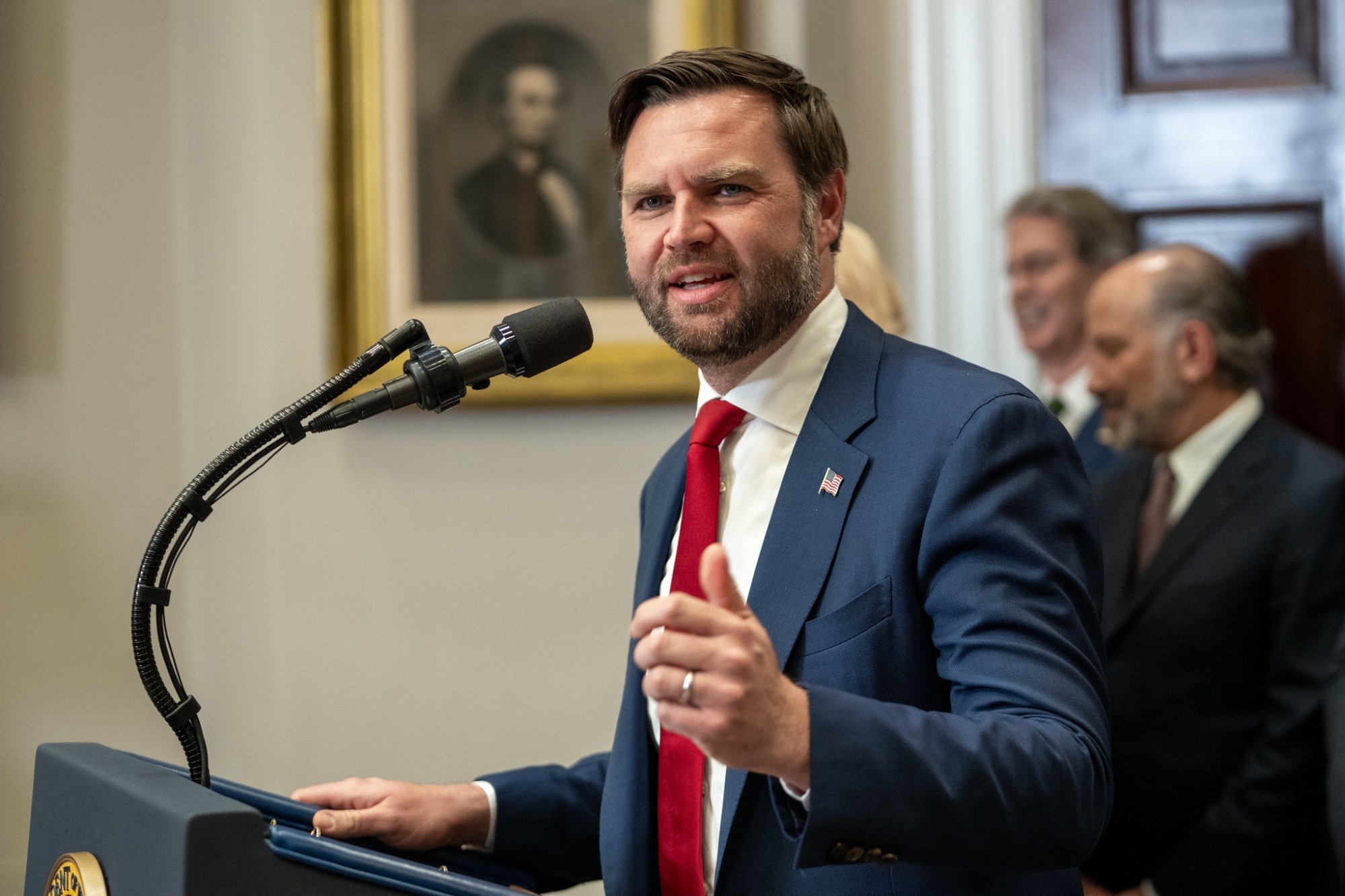
Vice President JD Vance heads to Pakistan this weekend carrying the weight of the most consequential diplomatic assignment of his career — and a complicated personal history with the conflict he’s being sent to resolve.
Vance has privately opposed the Iran war for weeks. According to MS Now, he voiced that opposition directly to President Trump and senior White House aides even as the administration pursued an aggressive military campaign. Now Trump has sent him to Islamabad to lead the U.S. delegation in ceasefire negotiations with Iran — alongside special envoy Steve Witkoff and Jared Kushner.
The talks are scheduled to begin Saturday. The stakes are difficult to overstate.
Iran has shown a preference for Vance at the table, and the reasons are telling. As Al Jazeera reported, Iranian officials see him as more inclined toward ending the conflict than other U.S. officials, and unlike Witkoff and Kushner, he was not part of the pre-war negotiations Tehran ultimately rejected. From a symbolic standpoint, his involvement gives Iran something to point to domestically when justifying the process.
The irony is that Vance’s skepticism may be his biggest asset — and his biggest liability.
A former Trump White House official told MS Now that Vance’s genuine desire for a permanent ceasefire could lend credibility to the U.S. position. Negotiators on both sides may believe he actually wants a deal. But the same skepticism creates risk. As the former official warned, if Vance signals softness at the table, it adds “a whole new voice that you can’t have” in a negotiation where unified American resolve matters.
The agenda is daunting. Reopening the Strait of Hormuz. De-escalating Israeli strikes in Lebanon. Pressing Iran to halt uranium enrichment. And converting what Vance himself called a “fragile truce” into something permanent. All of this against a backdrop of competing and contradictory frameworks — the U.S. and Iran can’t even agree on what document they’re negotiating from.
There’s also the 2028 dimension, though no one is saying it out loud. Vance is the presumptive frontrunner for the next Republican presidential nomination. A successful ceasefire gives him a defining foreign policy moment. A collapse of the talks, or a deal that looks weak, could define him differently. Witkoff recommended him precisely because of this positioning. As a senior administration official told Axios, if the Iranians can’t make a deal with Vance, they don’t get a deal.
That’s a lot of pressure for a trip that doesn’t have a guaranteed destination.