Politics
With Approval at 37% and Midterms Looming, the White House Is Scrambling to Repair Key Alliances
By Mike Harper · April 29, 2026
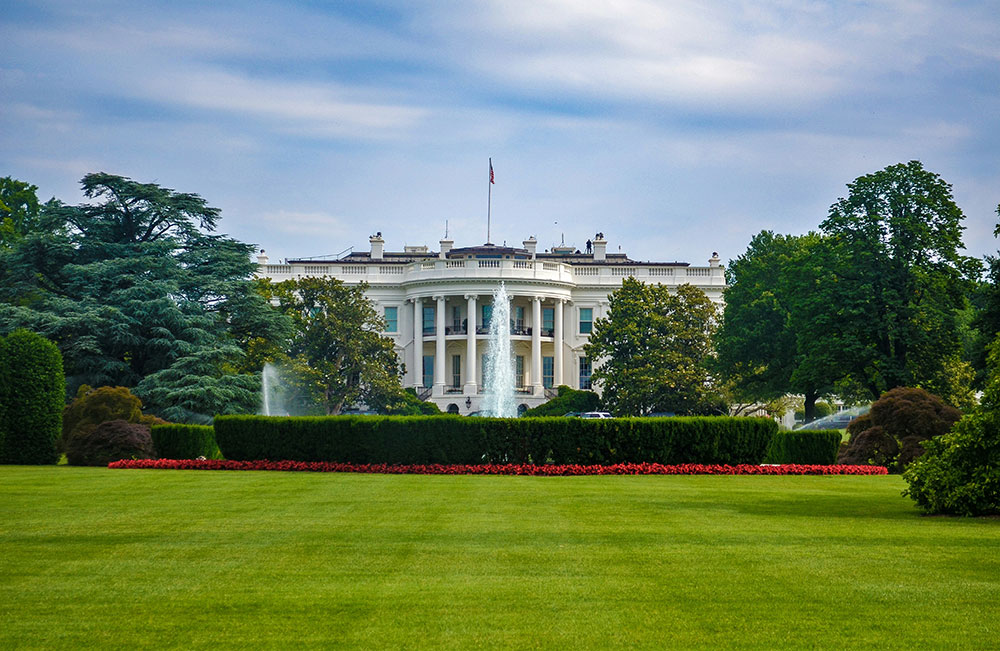
The White House is making calls it did not expect to make this early in the term. The coalition that delivered Trump his second term — suburban voters, Latino men, small business owners, rural independents — is showing enough stress that senior aides have begun a quiet repair operation, reaching out to political allies, advocacy groups, and donor networks that have privately expressed frustration with the administration’s direction.
According to Politico’s reporting from this past weekend, White House political director James Blair and other senior aides have been in direct contact with groups that have grown uneasy — not with Trump himself, but with the economic disruption that has accompanied his second term. Gas above $4 a gallon nationally. Consumer sentiment at its lowest recorded level. A trade war that has not resolved. An Iran conflict that has kept oil markets destabilized for ten weeks.
The political math is straightforward and worrying. Trump’s job approval sat at 37% in a Reuters/Ipsos survey conducted earlier this month — a number that, if it holds through November, points toward the kind of midterm environment in which a party can lose dozens of House seats. Republicans currently hold a three-seat majority in the House. They can afford to lose exactly two seats and remain in the majority.
The friction is appearing in places the administration did not expect it. Small business owners who were among Trump’s most reliable supporters have grown frustrated with tariff costs that are eating into margins before they can be passed on to consumers. Suburban homeowners who swung toward Trump in 2024 are being hit by gas prices, grocery costs, and the kind of diffuse economic anxiety that tends to consolidate against the party in power at midterm time. Latino business owners in key states have raised concerns about immigration enforcement operations that have disrupted supply chains and, in some cases, directly affected their workforces.
The administration’s response has been to emphasize what it describes as longer-term wins — tax cuts, deregulation, border security — while working to explain the economic disruption as temporary and attributable to forces the White House says it is actively managing. Energy Secretary Chris Wright’s statement that gas prices “have likely peaked” is part of that message discipline. So is the emphasis on the Iran ceasefire as evidence of diplomatic progress.
Whether that message lands depends heavily on whether the underlying economics improve. The Strait of Hormuz remains effectively closed. The naval blockade is still in place. The trade dispute with China is unresolved. And the midterm elections are seven months away — close enough that the trajectory of the next ninety days will largely determine whether the White House’s coalition repair operation is a precautionary measure or a last-ditch effort.
House Republicans in competitive districts are watching the approval numbers closely. Several have already begun creating visible distance from the administration on specific issues — a pattern that historically accelerates as election day approaches and incumbents prioritize their own survival over party loyalty.
The calls are being made. The question is whether anyone on the other end is ready to pick up.