World
Trump Presses NATO for Hormuz Commitments
By Mike Harper · April 10, 2026
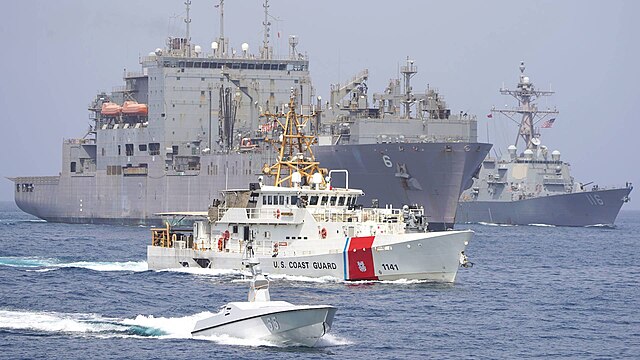
The ceasefire with Iran is two days old. The Strait of Hormuz is still effectively closed. And President Trump is already turning up the pressure on NATO allies to do something about it — within days, not weeks.
NATO Secretary General Mark Rutte traveled to Washington Wednesday and met with Trump at the White House. What came out of that meeting, according to three European diplomats cited by Reuters via CNBC, was an urgent message relayed to European capitals: Trump wants concrete plans for securing the strait, and he wants them fast. NATO spokesperson Allison Hart confirmed the substance publicly, saying the United States “expects concrete commitments and action to ensure freedom of navigation in the Strait of Hormuz.”
Trump’s response to the meeting was considerably less diplomatic. He posted on Truth Social in capital letters that NATO “wasn’t there when we needed them, and they won’t be there if we need them again.”
Rutte, known across European diplomatic circles as a “Trump whisperer” for his ability to manage the relationship, told CNN after the meeting that he understood Trump’s frustration — and said allies needed to hear it. But his reassurances appeared to have a limited effect. A senior European official told reporters the mood inside the alliance is one of worry, not confidence, and that the Washington meeting had not resolved anything.
The underlying tension is real and predates the Hormuz impasse. European allies were not consulted before the U.S.-Israeli strikes on Iran began, a grievance that has shaped every subsequent conversation about burden-sharing. As one diplomat told Reuters, allies “note the frustration in Washington, but they did not consult allies either before or after starting this war.”
Britain is leading a coalition of roughly 40 countries working on a military and diplomatic plan to reopen and secure the strait. French President Emmanuel Macron said about 15 countries are planning to facilitate resumed shipping traffic. But according to Fox News, the White House said NATO had “failed” the test — and Trump had “zero expectations” for the alliance going forward.
That split — Rutte framing European contributions as meaningful, the White House dismissing them — captures exactly how strained the relationship has become.
France’s foreign minister said the strait cannot fully reopen until there is a lasting U.S.-Iran agreement, which doesn’t yet exist. Italy and Britain both rejected Iran’s suggestion that it could impose a toll on vessels crossing Hormuz. The full diplomatic picture remains deeply unsettled.
What this means beyond the immediate standoff is significant. Rutte himself used the phrase unhealthy codependence to describe Europe’s reliance on U.S. military power — a remarkable admission from a secretary general trying to hold the alliance together. If European countries don’t deliver concrete plans in the window Trump is demanding, the pressure on NATO’s cohesion will only intensify.
The clock is running. The strait is still shut. And the alliance is more divided than it has been in years.