Politics
A Federal Judge Struck Down Trump’s $100,000 Visa Fee as an Unconstitutional Tax
By Mike Harper · June 9, 2026
In September, Trump signed an executive order imposing a $100,000 fee on every new H-1B visa application — a requirement that raised the cost of hiring a single skilled foreign worker from roughly $3,000 to $103,000 overnight. On Monday, a federal judge in Boston threw it out.
US District Judge Leo Sorokin ruled in a 42-page decision that the fee constituted a tax — and that only Congress has the power to impose taxes. The Trump administration had argued the $100,000 payment was a regulatory fee, not a tax. Sorokin disagreed.
“The President had no power or delegated authority to impose a tax on H-1B petitions.”
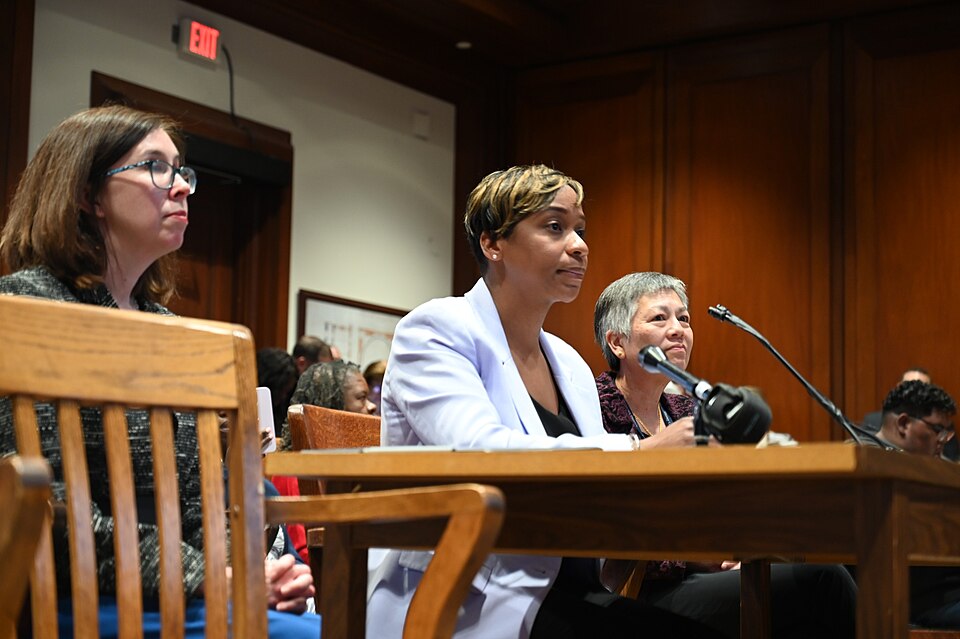
The ruling came in a lawsuit brought by 20 Democratic state attorneys general, led by Massachusetts AG Andrea Campbell, who argued the fee was both unlawful and harmful to states that depend on H-1B workers to staff hospitals, public universities, and school systems. New York AG Letitia James — who is simultaneously facing a federal criminal investigation opened by the Trump DOJ — was among the plaintiffs.
“Today a court put an end to this administration’s illegal attempt to destroy this critical program and the many jobs it makes possible.”
Sorokin explicitly cited the Supreme Court’s February ruling striking down Trump’s broad tariff authority as precedent — applying the same constitutional principle that the executive branch cannot impose financial burdens on Americans that function as taxes without congressional authorization. That ruling struck down Trump’s sweeping reciprocal tariffs. This ruling strikes down the H-1B fee. The legal thread connecting them is the same.
The practical effect of the fee had been dramatic even before it was struck down. As of February 15, US Citizenship and Immigration Services had received only 85 payments of the $100,000 requirement — $8.5 million total — compared to the 65,000-plus visas issued annually before the fee was imposed. Companies that relied heavily on H-1B workers — technology firms, hospitals, research universities — had significantly reduced or paused new visa filings rather than pay.
The fee was already scheduled to expire in September 2026. Three separate lawsuits had challenged it in different federal circuits — in Boston, Washington DC, and San Francisco. Monday’s Boston ruling is a win for the challengers, but it creates a split with the DC circuit, where a judge had previously ruled in the administration’s favor. That split makes Supreme Court review more likely.
The White House said it will appeal.