U.S. News
Court Blocks Trump Move to Terminate Legal Status for 60,000 Migrants
By Jake Beardslee · January 1, 2026
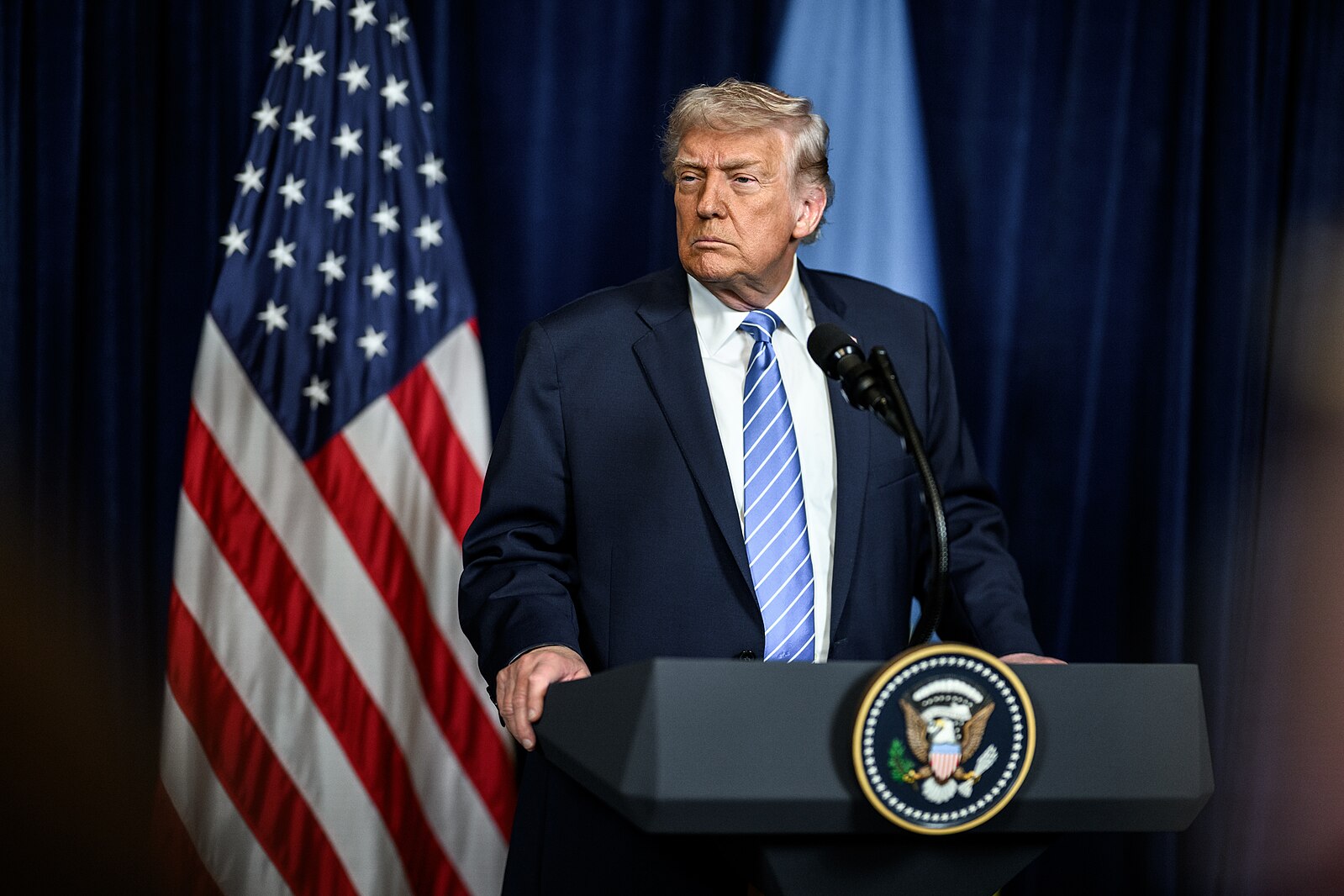
A federal judge has blocked the Trump administration from terminating Temporary Protected Status (TPS) for tens of thousands of migrants from Honduras, Nepal, and Nicaragua, dealing a setback to the administration’s immigration agenda.
In a 52-page ruling issued Wednesday, U.S. District Court Judge Trina Thompson ruled that the administration’s effort to end protections for roughly 60,000 migrants was unlawful. The decision halts plans announced earlier this year to revoke TPS designations for the three countries.
TPS, created by Congress in 1990, allows individuals from countries affected by war, natural disasters, or other extraordinary conditions to live and work legally in the United States on a temporary basis. Applicants must already be in the country and undergo background checks conducted by the Department of Homeland Security.
In July, the Trump administration moved to terminate TPS for Honduras, Nepal, and Nicaragua, arguing that conditions in those countries had improved enough to justify ending the program. However, Judge Thompson rejected that reasoning in her ruling.
“Our laws should not favor the loud and powerful simply because of their positions,” Thompson wrote. “Yet, for too long, our laws have overlooked the quiet truths—truths carried in the margins, truths lived but never spoken aloud. It is the duty of every public servant entrusted with shaping a more just society to bring those truths into the open, to translate lived experience into written protection. It means hearing the faintest whisper of injustice and refusing to let it fade. It means honoring the people who call this country home but have never been invited to speak in it. It means finally ensuring that the law speaks for them.”
The Department of Homeland Security criticized the ruling, accusing the judiciary of overstepping its authority. In a statement to Newsweek, DHS Assistant Secretary Tricia McLaughlin said:
“Yet another lawless and activist order from the federal judiciary who continues to usurp the president’s constitutional authority. Under the previous administration Temporary Protected Status was abused to allow violent terrorists, criminals, and national security threats into our nation.”
McLaughlin added:
“TPS was never designed to be permanent, yet previous administrations have used it as a de facto amnesty program for decades. Given the improved situation in each of these countries, now is the right time to conclude what was always intended to be a temporary designation.”
Honduras and Nicaragua were first granted TPS following the devastation caused by Hurricane Mitch in the late 1990s, while Nepal received TPS status after a deadly earthquake in 2015. According to figures cited by The New York Times from the Congressional Research Service, approximately 50,000 Hondurans, 7,000 Nepalis, and 3,000 Nicaraguans are currently covered under the program.
The ruling follows earlier legal back-and-forth. Judge Thompson had previously delayed the termination of TPS, but an appeals court paused that decision in August, temporarily allowing the administration to proceed. Wednesday’s ruling reverses that outcome.
The decision also comes amid broader legal challenges to the administration’s immigration agenda. On Tuesday, U.S. District Judge Angel Kelley in Massachusetts issued an order blocking the deportation of South Sudanese nationals with TPS status, just days before their protections were set to expire on January 6, 2026.
Immigration has remained a central focus of President Trump’s second term, with the administration pledging mass deportations, stricter border enforcement, and the rollback of immigration protections enacted under previous administrations. The latest ruling complicates those efforts and raises further questions about the scope of executive authority in immigration policy.