U.S. News
These Tariffs Could Make Healthcare In The U.S. Worse
By Cagle Cartoons · February 5, 2026
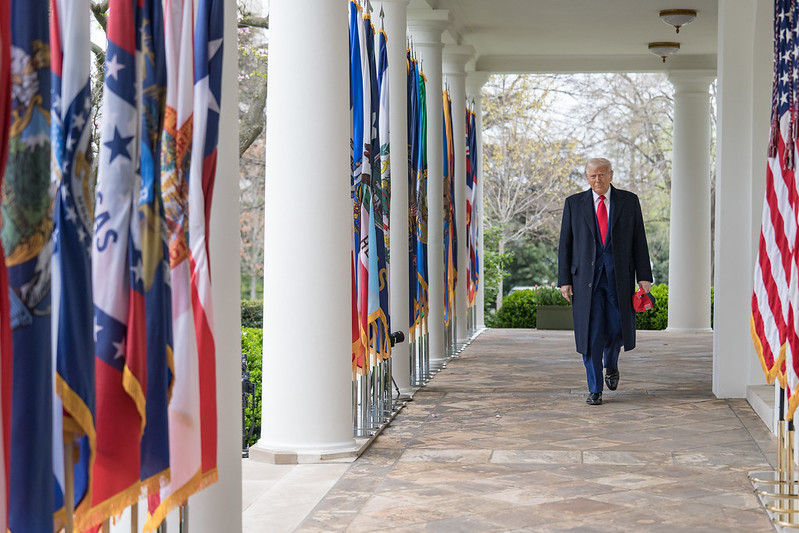
Column by Peter Roff, Cagle Cartoons
Despite considerable evidence to the contrary, Commerce Secretary Howard Lutnik and the tariff gang think the imposition of tariffs on foreign-made medical devices won’t hurt the quality of healthcare here in America.
The argument they’re putting forward, that it’s necessary for American “national security,” relies on a phrase that’s lost a lot of meaning since the end of the Cold War. More often than not, it’s used as a catchall, urging us to overlook a multitude of sins without giving them much thought.
Think about it. Who in the public eye wants to be portrayed as weak on national security? It’s been used to justify everything in the Patriot Act post-9/11, which included more than a few gross violations of basic civil liberties, to the generous and, as it turns out, unnecessary federal subsidies heaped on U.S. microchip manufacturers. It’s a term that, when employed, is supposed to cut off debate, as no loyal, patriotic American could possibly fail to recognize the validity of the argument.
That’s what is happening now. The U.S. Department of Commerce is proposing stricter scrutiny of medical equipment imports, which could lead to a ban under what Washington insiders refer to as Section 232.
On paper, it’s all about national security. Where things are headed is supposed to strengthen domestic manufacturing and reduce dependency on overseas supply chains. This is a core Trumpian objective, but it comes with costs: rising healthcare prices, reduced accessibility, and a brake on innovation.
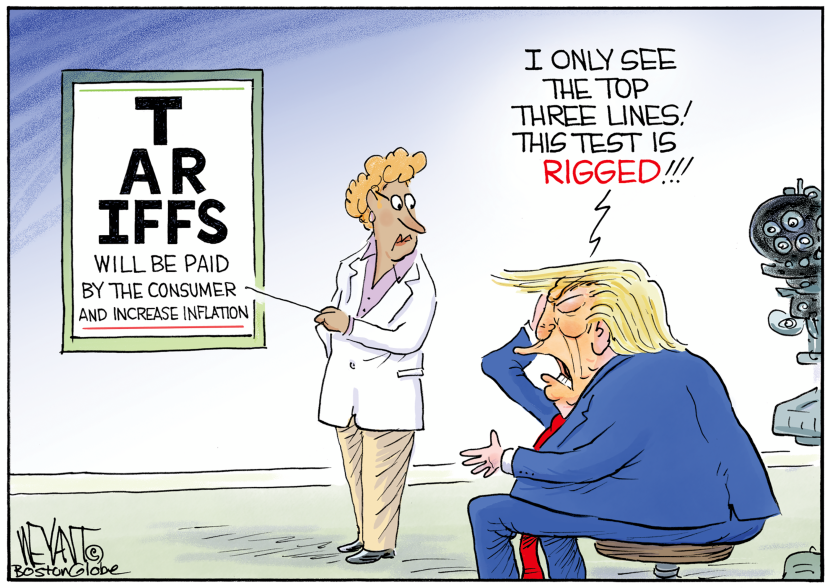
Lutnick and his advisors may break the complex global supply chain that keeps America supplied with critical medical technologies without making America any safer or Americans any healthier. In fact, it would likely make things just a bit worse.
Most of the medical equipment America uses, about 70 percent of it, is manufactured domestically. The U.S. is not losing jobs and business to foreign competition as it does in textiles and home appliances. Much of what’s imported comes from European partners and allies like Mexico, the Dominican Republic, Australia, and Brazil. The stuff that’s stamped “Made in the USA” would, if truth in labeling applied, say “Assembled in the USA from parts made overseas.”
It’s important to recognize these factors are not weaknesses, regardless of what some on the president’s team think. Modern manufacturing thrives on evolving trade relationships that foster a free, prosperous, and peaceful global community.
Implementing broad trade restrictions, like invoking Section 232, would limit America’s access to vital medical devices made overseas. This could disrupt supply chains, raise healthcare costs, and hinder our preparedness for unforeseen emergencies. Instead of strengthening our defenses, it might inadvertently create new challenges and add burdens to an already overburdened healthcare system.
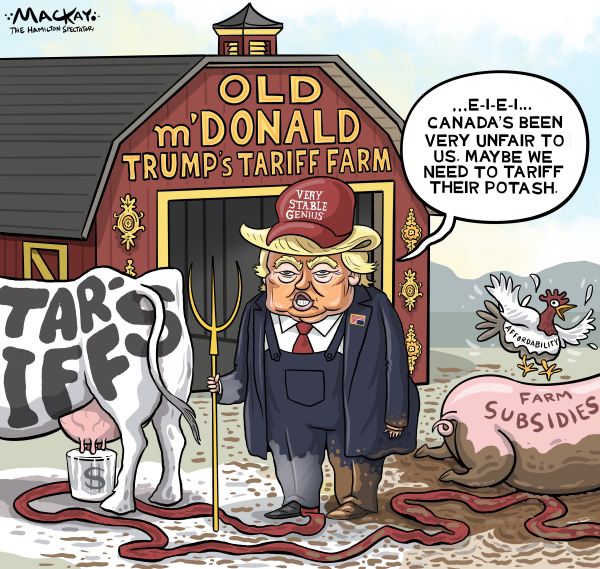
Now is not the time for that. There are enough problems to deal with, like high labor costs, ongoing supply and staffing shortages, and the crisis in the insurance market. People with disabilities, veterans, and seniors living on fixed incomes will feel pain first when prices rise, but eventually it hits us all, whether we get sick or are just trying to stay well.
American healthcare is the best in the world, despite its deficiencies, because we value innovation and make breakthroughs that no one else does. When breakthroughs occur in other countries, we should benefit from them, not block them from reaching our shores.
Economist Milton Friedman said on more than one occasion no mechanism known to man has done more to lift people out of poverty and into prosperity than the free market. As we are a humane and compassionate society, those rules can sometimes be justified when the benefits they provide outweigh the costs to the economy and to liberty.
The free market works. When nations abide by the unwritten rules of the marketplace, free trade works as well. Raising barriers to market entry increases costs for consumers and, in the case of lifesaving medical technology, can mean the difference between life and death.
Increasing our reliance on domestic medical device production aligns with the America First agenda for healthcare. The potential limitations on imports, however, are at odds with MAHA – Make America Healthy Again. Washington must support affordable access to the best technologies, wherever they come from, not impede it.
Broad tariffs on critical medical devices would raise the cost of cures. That’s the opposite of what the country needs and what President Trump has said he’s committed to doing.
–
Copyright 2026 Peter Roff distributed by Cagle Cartoons newspaper syndicate.
Peter Roff is former U.S. News and World Report contributing editor and UPI senior political writer now affiliated with several DC-based public policy organizations. He writes for numerous publications and appears regularly on international television talking about U.S. politics. You can reach him at RoffColumns@gmail.com and follow him on Twitter @TheRoffDraft.