U.S. News
Trump’s Greenland Gambit: Tariffs, Territory, and NATO Fracture
By CM Chaney · January 21, 2026
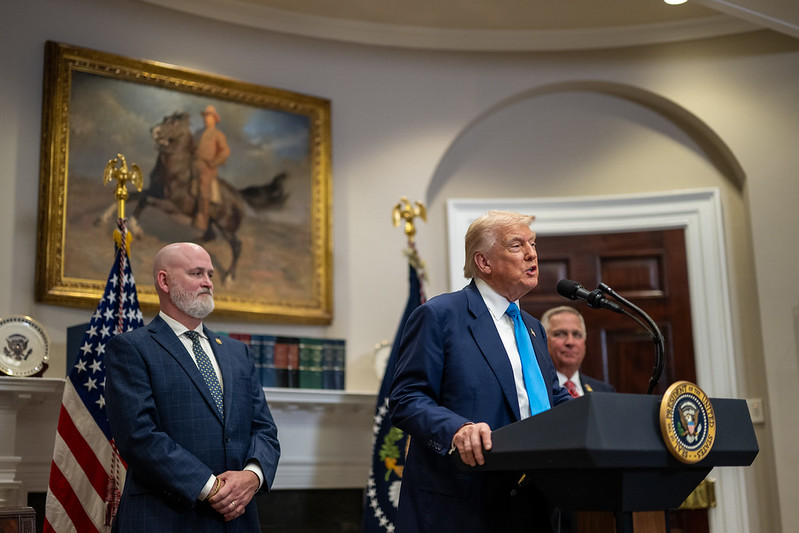
President Donald Trump’s renewed push to acquire Greenland—coupling territorial ambitions with threats of 10–25% tariffs against European NATO allies—has escalated from rhetoric into a full-scale pressure campaign. The strategy has exposed fundamental tensions within the transatlantic alliance and raised constitutional questions about executive authority.
Why Greenland Matters
Greenland’s emergence as a strategic focal point reflects converging global shifts. The world’s largest island sits at the nexus of warming Arctic waters opening new shipping routes, mineral deposits becoming accessible beneath melting ice, and intensifying great-power competition for polar control.
The U.S. maintains Thule Air Base on Greenland’s northwest coast, housing early-warning radar systems critical to Arctic surveillance. More broadly, Greenland is integral to missile defense planning, including the “Golden Dome” concept for protecting North American airspace. As climate change transforms the Arctic, Greenland has shifted from a peripheral Cold War outpost into central geopolitical competition among the U.S., Russia, and China.
Treasury Secretary Scott Bessent framed the administration’s case starkly: the U.S. “should not outsource our national security.” The argument rests on prevention—securing Greenland preemptively to avoid potential military escalation if hostile powers encroached.
The Pressure Campaign
Trump has explicitly linked tariffs to Greenland, threatening 10–25% rates on eight NATO allies including Denmark, Germany, and France. At the World Economic Forum, Trump declared: “Greenland is imperative for National and World Security. There can be no going back.”
Administration officials distinguish between Trump’s public interest and the formal strategic rationale. While Trump poses acquisition questions, advisors articulate a national security case rooted in missile defense and Arctic positioning. This nuance matters: Trump’s remarks suggest openness to negotiation; coordinated messaging implies Greenland is a priority to be pursued through available leverage, including tariffs.
Alliance Under Stress
Trump’s posture alarms allied capitals beyond the territorial question. Coupling territorial acquisition rhetoric with unilateral tariff threats challenges core alliance assumptions: that disputes occur within rules-based frameworks, that economic coercion doesn’t govern internal alliance relations, and that collective defense rests on mutual trust rather than transactional leverage.
Denmark, which holds sovereignty over Greenland’s foreign policy, has rejected any territorial transfer. Yet Denmark depends on U.S. Article 5 commitments. The dynamic creates pressure: yield on sovereignty or face economic retaliation from the alliance’s leading military power.
The Atlantic Council has outlined potential diplomatic off-ramps, suggesting that the U.S. and NATO can “avoid catastrophe over Greenland and emerge stronger” through deepened Arctic cooperation and shared infrastructure. This represents one expert interpretation among many.
Constitutional Ambiguity
Largely unexamined are constitutional questions about presidential authority. The Constitution grants Congress power to approve treaties and territorial acquisitions. Whether a president can pursue territorial acquisition through executive action or tariff authority without explicit congressional approval remains unresolved. The administration has not outlined a formal legal pathway, raising concerns about potential institutional overreach.
The Calculus Ahead
Trump’s strategy reflects genuine Arctic security concerns. Yet combining territorial pressure with unilateral tariffs introduces destabilizing dynamics that test alliance resilience, complicate trade relations, and leave constitutional boundaries unclear. Whether this gambit produces negotiated outcomes or fractures Western cohesion remains the defining question for transatlantic relations ahead.