U.S. News
Why Americans Feel the Economy Is Getting Worse Even When Some Indicators Say It Isn’t
By CM Chaney · January 20, 2026
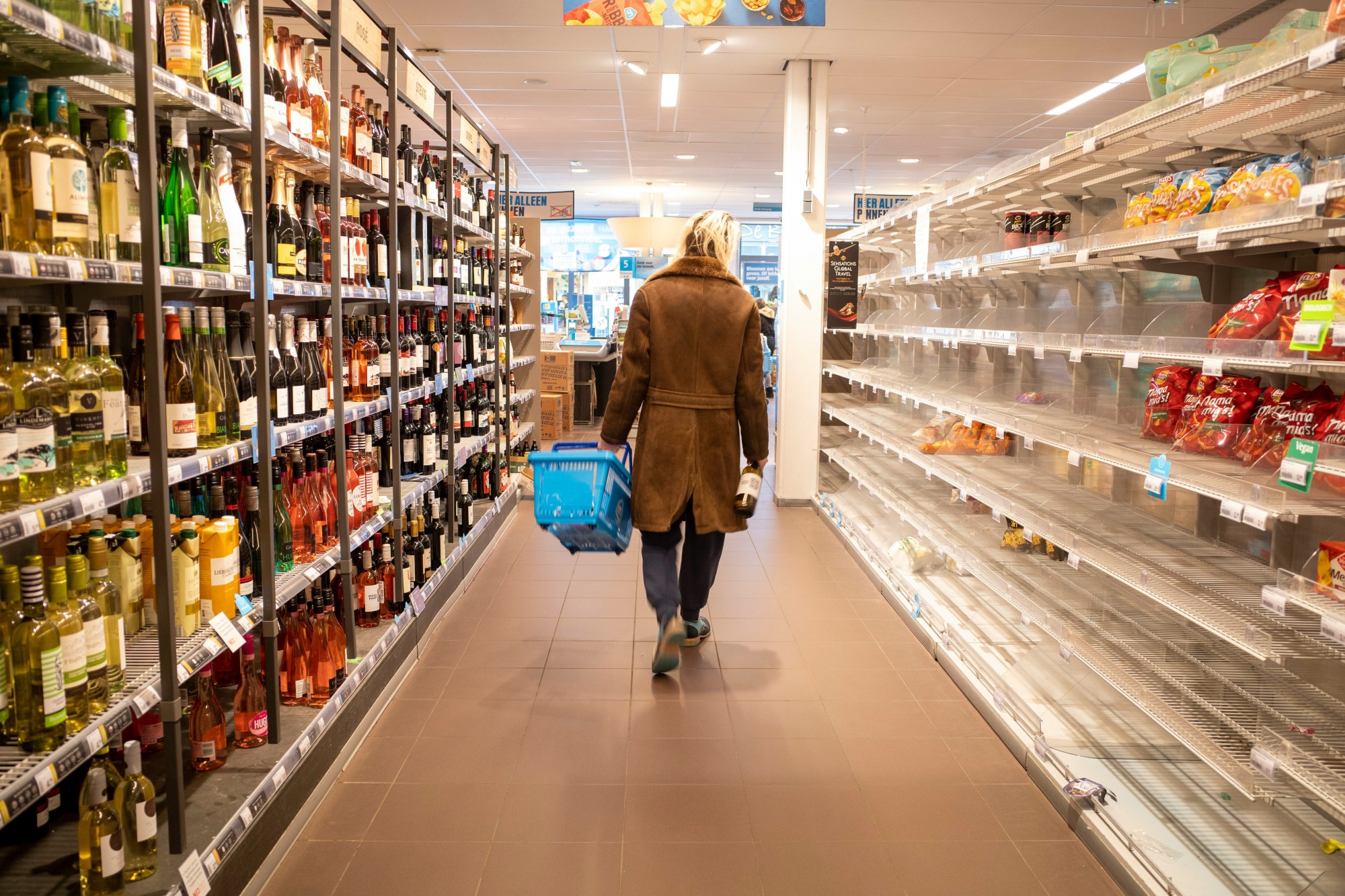
On paper, the economy looks steady. Employment remains strong. Inflation has slowed from its recent peak. Some of the worst pandemic-era disruptions have eased.
But for many Americans managing household budgets, those improvements still feel out of reach.
Consumer confidence helps explain why. Surveys from a U.S. business research group show confidence fell for the fifth straight month in December, dropping to 89.1 — well below pre-pandemic levels. The decline has continued even as unemployment remains low and overall price growth has moderated.
That gap between economic indicators and personal experience has become a defining feature of the post-pandemic economy.
Research from the Federal Reserve shows that between 2019 and 2024, nearly two-thirds of consumers experienced price increases of roughly 20% to 30% on everyday goods and services. Housing, groceries, insurance and utilities account for much of that increase — costs that households cannot easily avoid or delay.
Perception plays an important role as well. Many consumers believe prices have risen faster than official inflation data suggests, particularly for items they purchase most frequently. When essentials keep getting more expensive, broader economic improvements can feel abstract or irrelevant.
For Sarah Martinez, a dental hygienist in Phoenix, the math has become harder to justify. She earns more than she did several years ago, but says the gains have not translated into financial relief. Grocery bills are higher. Auto insurance is higher. Rent is higher. “It feels like every raise disappears before it makes a difference,” she said.
Her experience mirrors national survey data. A recent consumer study by a global management consulting firm found that only 14% of Americans believe their incomes have kept pace with rising prices. More than half said they feel financially worse off than they did a year earlier.
That pressure is reshaping daily behavior. Roughly eight in ten consumers report spending significant time searching for ways to cut costs, including switching to lower-priced brands, reducing discretionary spending or taking on additional work hours. Even households that remain financially stable describe feeling stretched.
Economists say part of the disconnect stems from how people interpret wage gains. Writing for a Washington-based policy research organization, Harvard economist Stefanie Stantcheva noted that workers tend to view raises as rewards for effort, not as compensation for inflation. When higher pay merely offsets rising prices, it rarely feels like progress.
Economic anxiety is not evenly distributed. Survey data shows younger consumers and higher-income households are generally more optimistic about their financial outlook. A gender gap is also evident, with men more likely than women to say they feel confident about the economy.
Those perceptions matter beyond sentiment. When people feel financially insecure, they are more likely to delay major purchases, reduce long-term planning and maintain defensive spending habits. That caution can persist even when economic conditions improve, reinforcing pessimism and slowing broader recovery.
There are early signs attitudes may be stabilizing. By late 2024, consumer optimism had edged higher, according to national surveys. Still, economists caution that trust recovers slowly.
“The numbers may show improvement,” said economist James Wilson, “but until people feel comfortable shopping and saving without constantly watching prices, the recovery won’t feel complete.”
Sources
This article is based on publicly available consumer confidence data from The Conference Board, inflation research from the Federal Reserve, and national consumer surveys conducted by McKinsey & Company. Analysis of wage perceptions and inflation psychology references work by Harvard economist Stefanie Stantcheva published by the Brookings Institution.