U.S. News
RFK Jr. Appoints Vaccine Skeptics to Key Federal Advisory Panel
By CM Chaney · January 21, 2026
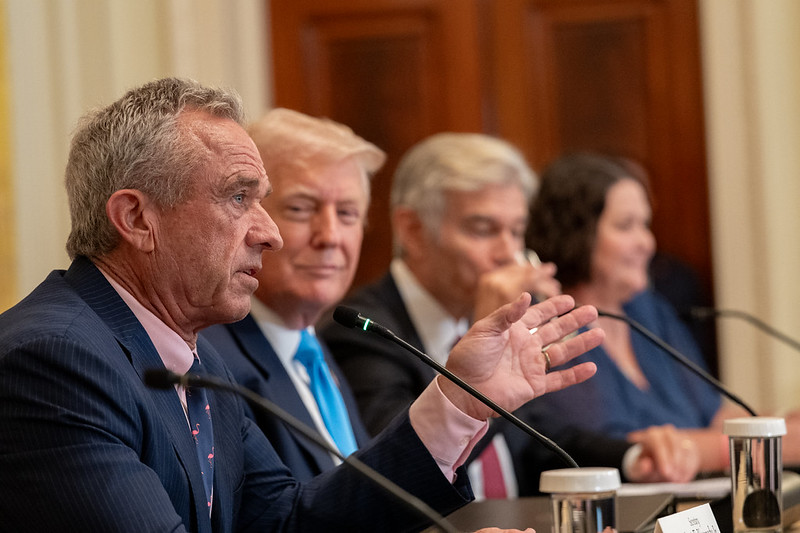
Health and Human Services Secretary Robert F. Kennedy Jr. has appointed two obstetrician-gynecologists to a federal advisory committee that plays a key role in shaping U.S. vaccination guidance. Both appointees have previously questioned the safety of vaccines during pregnancy, views that differ from long-standing recommendations by public health authorities.
The appointments affect the Advisory Committee on Immunization Practices (ACIP), an expert panel that advises the Centers for Disease Control and Prevention on vaccine use. ACIP does not set law or enforce policy, but its recommendations often inform national clinical guidance, insurance coverage decisions, and state-level rules.
Who was appointed
One of the new members is Adam Urato, MD, an obstetrician-gynecologist affiliated with UMass Memorial Health. In an October 2024 post on X, Urato wrote that the CDC and the American College of Obstetricians and Gynecologists recommend multiple vaccines during pregnancy, including influenza, Tdap, RSV, and COVID-19. He added that patients often ask whether those vaccines could harm them or their babies, writing that “the answer is: ‘We don’t,’” and that patient concerns should be acknowledged.
Public health agencies say those vaccines have been studied extensively and are considered safe for use during pregnancy, citing decades of observational data and ongoing safety monitoring. Medical groups also point to evidence that vaccination during pregnancy can reduce the risk of severe illness for both pregnant patients and newborns.
The second appointee is Kimberly Biss, MD, a clinician at Women’s Care in St. Petersburg, Florida. In past interviews, Biss has said her practice observed a sharp rise in miscarriages following the rollout of COVID-19 vaccination for pregnant patients. Large population-based studies have not found evidence linking COVID-19 vaccines to increased miscarriage risk, and federal health agencies say current data do not support a causal connection.
Biss has also questioned whether children should receive COVID-19 vaccines, citing what she describes as a low risk of severe illness. Health officials respond that vaccination recommendations are based on population-level assessments that include hospitalization rates, long-term complications, and broader transmission patterns.
Changes to ACIP
The appointments come amid a broader overhaul of ACIP. In mid-2025, Kennedy removed all 17 members appointed under the Biden administration and began rebuilding the panel. Several of the new members have publicly criticized existing vaccine policies, and the reconstituted committee has revisited some prior recommendations.
Supporters of the changes say the goal is to reassess guidance using what they describe as a stricter reading of scientific evidence. Critics argue the shift risks undermining public confidence by elevating views outside the medical mainstream.
A CDC spokesperson, responding to questions about the advisory process, said in a statement that “ACIP recommendations are developed through a transparent, evidence-based process and are subject to review and adoption by CDC leadership before becoming official guidance.”
Why the appointments matter
ACIP members review scientific data and vote on recommendations, but their role is advisory. The CDC director decides whether to adopt those recommendations, and states and providers determine how they are implemented.
Still, public health experts note that advisory committees help shape how evidence is evaluated and which questions receive attention. Changes in membership can influence policy debates even without immediate regulatory action.
The appointments underscore an ongoing debate over how scientific consensus is defined and who should help guide national health policy. While the new ACIP members cannot unilaterally change vaccination rules, their presence highlights the influence—and limits—of advisory bodies in the U.S. public health system.