Politics
Millions of Americans Are Losing Food Stamp Benefits
By Mike Harper · June 9, 2026
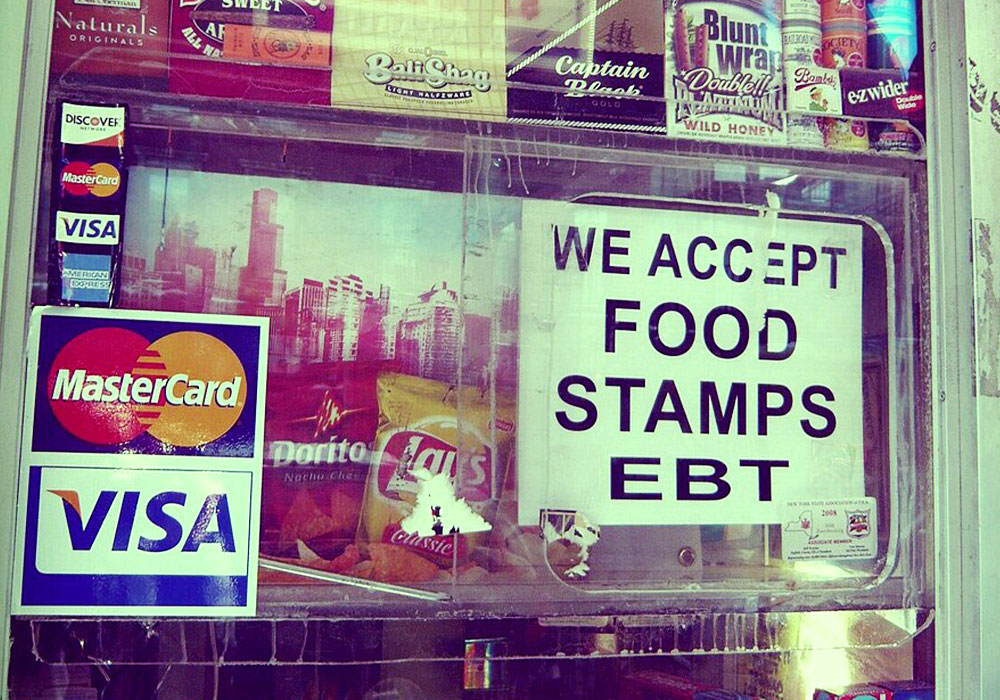
When Republicans passed the One Big Beautiful Bill last month, most of the public attention focused on the immigration enforcement funding and the anti-weaponization fund. A different provision is now having a direct effect on American households: the largest cuts to the federal food assistance program in the law’s history.
New work requirements and restrictions on green-card holders embedded in the reconciliation package have begun removing millions of Americans from the Supplemental Nutrition Assistance Program, which most people know as food stamps. The law’s SNAP provisions are projected to cut $186 billion in federal spending on food assistance over the next decade — a reduction that is being implemented now, not phased in over years.
The new rules require most SNAP recipients between 18 and 55 without dependents to prove they are working, participating in job training, or performing community service for at least 80 hours per month. The work requirement itself is not new — it has been part of SNAP law for years — but the new law expands it significantly, eliminating many of the waivers that states previously used to exempt recipients in areas with high unemployment or limited job availability. States that had been granting broad exemptions are now required to enforce the standard.
The second major change affects legal immigrants. Green-card holders — legal permanent residents who have the right to live and work in the United States — are now restricted from receiving SNAP benefits under the new law, regardless of their income or need. This provision affects hundreds of thousands of households across the country, particularly in immigrant-heavy states like California, New York, Texas, and Florida, where legal residents have historically been eligible for food assistance after meeting a waiting period.
“This is going to push families toward food banks. The timing with higher grocery prices and fuel costs could not be worse.”
That assessment comes from food bank operators across multiple states who spoke with PBS NewsHour, describing an already-elevated demand at their facilities now facing a sudden loss of federal food assistance for a portion of their communities.
The SNAP program currently serves approximately 40 million Americans each month — and more than 3.5 million of them have already lost access since the new requirements took effect. The households hit hardest are legal immigrants, childless adults in areas where work is scarce, and people in part-time or gig jobs whose hours don’t consistently clear the 80-hour monthly threshold — the kind of workers who are already one bad week away from needing the benefit they just lost.
The law passed. The cuts are real. For the households most affected, the combination of higher food prices and reduced food assistance is arriving simultaneously.