Lifestyle
These 6 Basic Car Checks Take 10 Minutes and Can Save You Thousands
By Curtis Jones · June 29, 2026
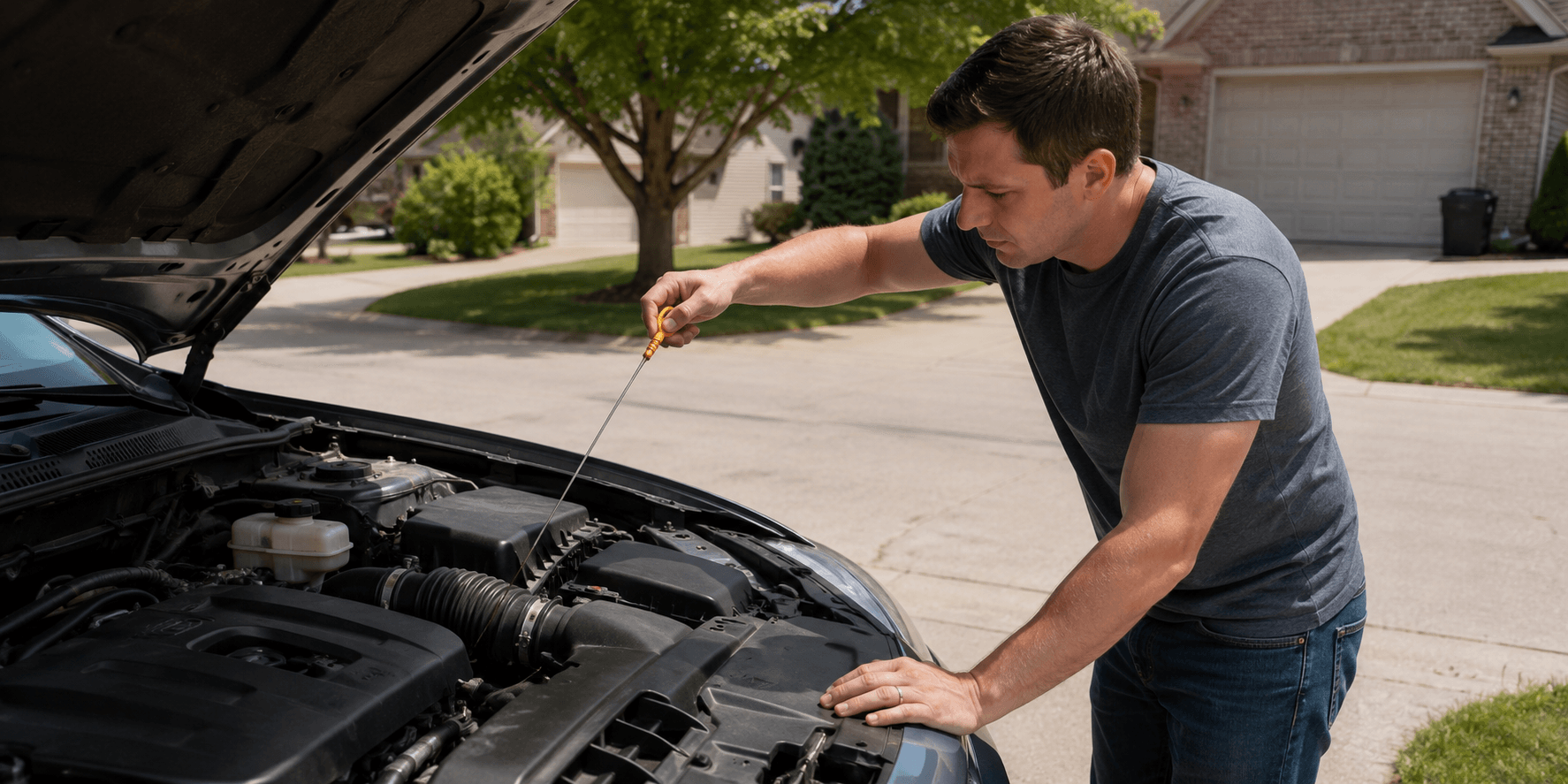
Most drivers don’t open the hood between oil changes. The problems that become expensive repairs almost always started as something visible, audible, or measurable weeks or months before the check engine light came on. Here are six things your mechanic checks at every service visit that you can — and should — be checking between visits.
1. Tire pressure and tread depth
Underinflated tires reduce fuel economy by up to 3%, wear unevenly, and increase stopping distance. The correct pressure is printed on a sticker inside the driver’s door jamb — not on the tire itself. Check monthly with a $5 gauge. For tread depth, insert a penny into the tread with Lincoln’s head pointing down. If you can see the top of his head, the tread is below 2/32 of an inch and the tire needs replacing. Most mechanics check this first because it’s the easiest safety issue to catch.
2. Engine oil level and color
Pull the dipstick, wipe it, reinsert it, and pull it again. The oil level should be between the two marks. The color should be amber to light brown. If it’s black, thick, or gritty, the oil is overdue for a change. If the level is significantly below the low mark, your engine may be burning or leaking oil — a problem that gets more expensive the longer it’s ignored.
3. Coolant level
The coolant reservoir is a translucent plastic container near the radiator with “MIN” and “MAX” marks on the side. If the level is below minimum when the engine is cold, add a 50/50 mix of coolant and distilled water. Running low on coolant risks overheating, which can cause catastrophic engine damage — a $3,000 to $8,000 repair that starts with a $10 jug of coolant you didn’t check.
4. Brake pad thickness
Many modern wheels allow you to see the brake pads through the spokes without removing the wheel. The pad material should be at least 3mm thick — roughly the thickness of two stacked pennies. If you can see the metal backing plate or hear a high-pitched squeal when braking, the pads need immediate replacement. Driving on worn pads damages the rotors, turning a $200 brake job into a $600 one.
5. Wiper blades and washer fluid
Wiper blades deteriorate in sunlight and should be replaced every 6 to 12 months. If they streak, skip, or leave sections of the windshield uncleared, they’re past their useful life. Washer fluid is a $3 gallon at any gas station. Running out at highway speed behind a mud-spraying truck is how windshield visibility becomes a safety issue rather than a convenience issue.
6. Battery terminals and age
Pop the hood and look at the battery terminals — the metal connectors where cables attach. White or greenish powdery buildup on the terminals indicates corrosion, which can prevent your car from starting. Clean it with a wire brush or a baking soda solution. Check the battery’s age — most car batteries last 3 to 5 years. If yours is approaching that window, have it tested at any auto parts store for free before it leaves you stranded.
None of these checks require tools beyond a tire gauge and a few minutes. The mechanic does them because they prevent expensive problems. You should do them for the same reason.