World
Trump Announces Israel-Lebanon Ceasefire
By Mike Harper · April 17, 2026
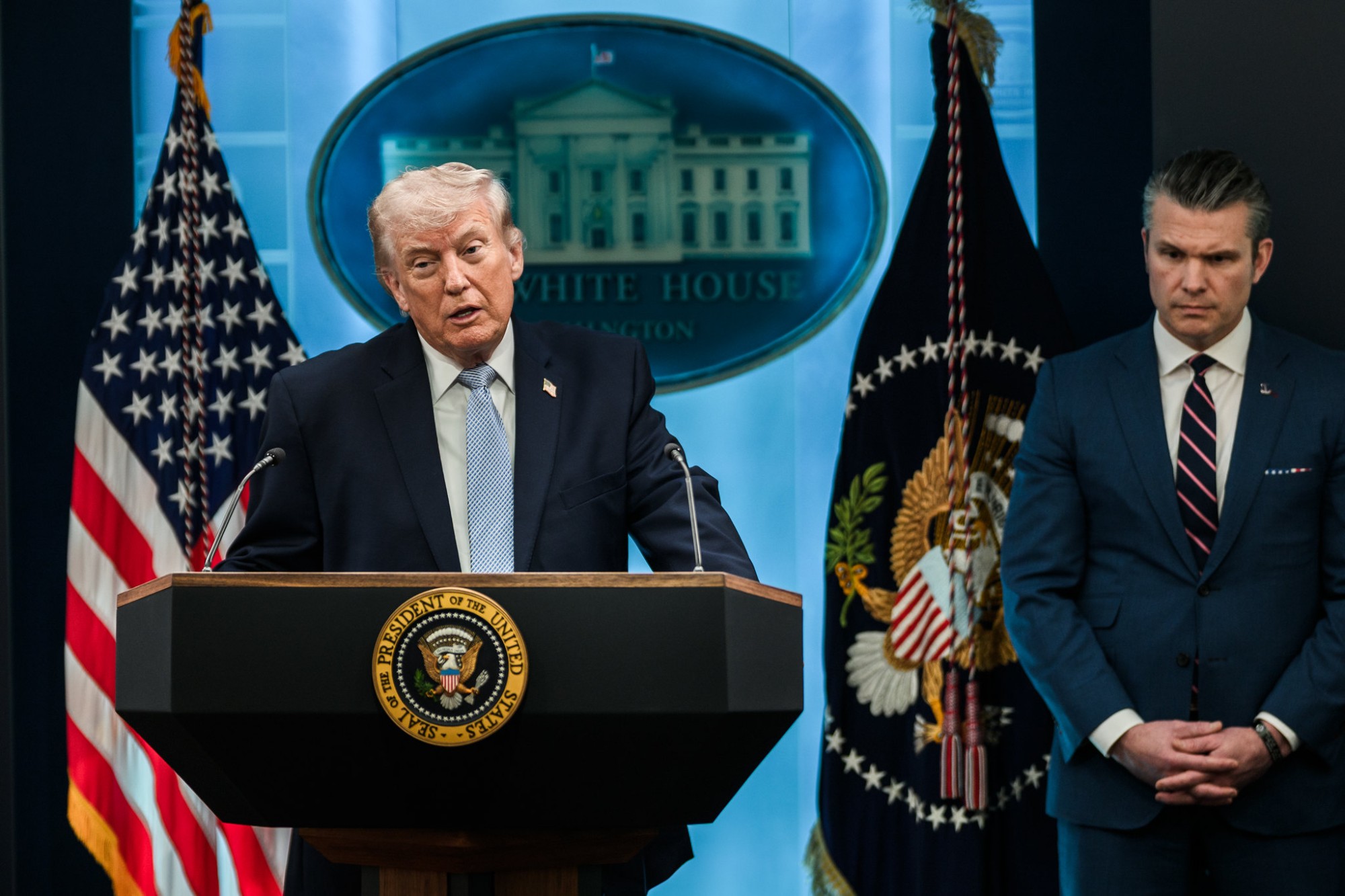
In the span of 24 hours, what seemed like an impossible diplomatic gap closed.
President Trump announced Thursday that Israel and Lebanon had agreed to a 10-day ceasefire, set to begin at 5 p.m. Eastern. The announcement came just two days after Israel and Lebanon held their first direct diplomatic talks in decades — a meeting in Washington hosted by Secretary of State Marco Rubio that had been widely praised but produced no immediate agreement.
“These two Leaders have agreed that in order to achieve PEACE between their Countries, they will formally begin a 10 Day CEASEFIRE at 5 P.M. EST,” Trump wrote on Truth Social, after reporting “excellent” conversations with Lebanese President Joseph Aoun and Israeli Prime Minister Benjamin Netanyahu.
The path to that announcement was messier than it looked on paper.
Behind the scenes, Lebanon’s government had been caught off guard by Trump’s initial social media post Wednesday suggesting the two leaders would speak Thursday. Lebanese officials indicated it was unlikely Aoun would agree at that stage to speak directly with Netanyahu. On Thursday morning, Rubio called Aoun again to discuss the ceasefire, and Aoun reportedly told Rubio that a direct call with Netanyahu would be premature — and asked instead to speak to Trump directly. Trump then called Aoun himself to finalize the deal. It was the first time Trump had spoken with the Lebanese president since taking office.
The terms of the ceasefire are specific about what it does and does not include. Israel retains the right to take military action in self-defense “at any time, against planned, imminent, or ongoing attacks.” The Lebanese government commits to taking “meaningful steps to prevent Hezbollah and all other rogue non-state armed groups” from attacking Israeli targets. Netanyahu said Israeli forces would remain in Lebanon within an “extensive” security zone and that Hezbollah must ultimately be dismantled.
Hezbollah said it would respect the ceasefire if Israeli attacks on its fighters fully stopped. The group has not endorsed the longer-term framework.
The broader strategic picture is significant. Iran had reportedly communicated that it wanted a broader deal with the United States — but that fighting in Lebanon needed to stop first. The Israel-Lebanon ceasefire may therefore be a prerequisite for any wider agreement with Tehran, whose two-week truce with the U.S. is set to expire April 22.
Trump said he has invited Aoun and Netanyahu to the White House for what he called “the first meaningful talks between Israel and Lebanon since 1983” — referring to the brief bilateral agreement that collapsed during Lebanon’s civil war.
Whether the 10-day window leads to anything lasting is genuinely unknown. More than 2,100 people have been killed in Lebanon since the war between Israel and Hezbollah broke out in early March.