U.S. News
Trump Says Grocery Prices Are Falling — Data Disagrees
By Jake Beardslee · December 20, 2025
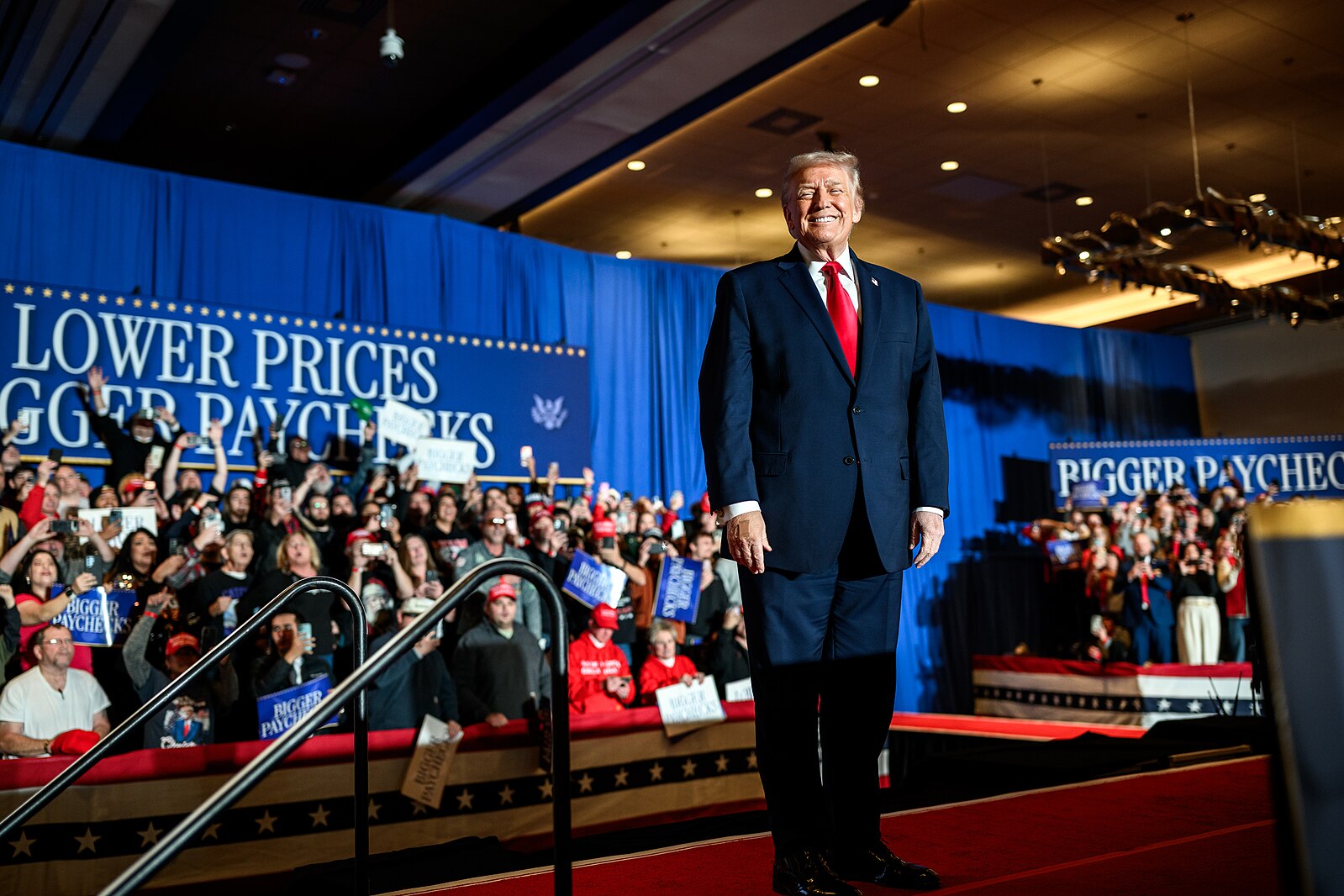
President Donald Trump this week claimed grocery prices are “falling rapidly” under his economic policies, but federal data shows food costs continue to rise, albeit at a slower pace than earlier in the year.
Speaking Wednesday evening, Trump addressed criticism from Democrats and other opponents who argue that the cost of living has risen sharply during his administration, in part due to tariffs. Trump defended his record on inflation, blamed former President Joe Biden for higher prices, and pointed to groceries as evidence of progress.
“Democrat [sic] politicians also sent the cost of groceries soaring, but we are solving that too,” Trump said. “The price of a Thanksgiving turkey was down 33 percent compared to the Biden last year. The price of eggs is down 82 percent since March and everything else is falling rapidly and it’s not done yet, but boy, are we making progress.”
However, government consumer price data does not support the claim that grocery prices overall are declining. According to the Consumer Price Index (CPI), grocery prices rose 1.9 percent over the 12 months ending in November. While that represents a slowdown from the 2.7 percent annual increase recorded in September, it remains higher than the 1.6 percent growth rate seen in November 2024.
Some individual food categories have shown mixed results. An annual Thanksgiving price survey from the American Farm Bureau reported frozen turkey prices averaged $1.34 per pound in 2025, down 16 percent from 2024. At the same time, the CPI category covering “Other uncooked poultry including turkey” increased 0.8 percent in November compared with a year earlier.
Egg prices, which surged in 2024 due to a widespread bird flu outbreak, have declined as the pandemic has faded. Still, many other grocery staples have continued to rise sharply. Ground beef prices are up 16 percent year over year, while coffee prices have climbed 35 percent, according to Bureau of Labor Statistics data.
Economists typically assess grocery inflation by tracking a broad basket of goods rather than focusing on individual items. Viewed that way, the data shows food prices are still increasing overall, even if the pace of growth has slowed.
In short, grocery prices are not falling, but the rate at which they are rising has eased compared with earlier in the year.