U.S. News
18 States to Restrict Soda, Candy Purchases Under SNAP Food Assistance
By Jake Beardslee · January 2, 2026
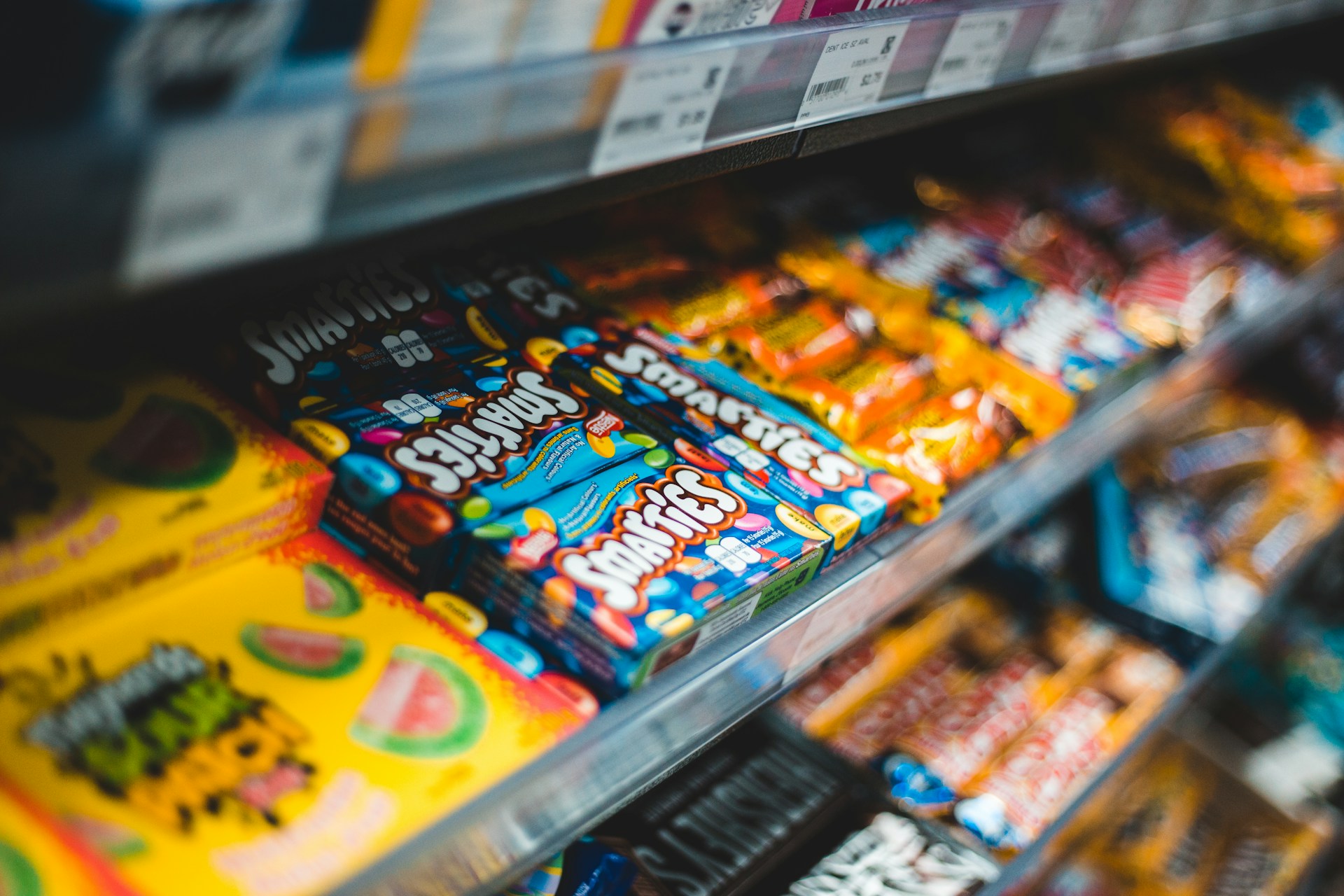
Millions of Americans who rely on federal food assistance will soon face significant new limitations on their purchasing options as the Trump administration rolls out controversial changes to the Supplemental Nutrition Assistance Program across nearly one-fifth of the nation.
Beginning January 1, recipients in Indiana, Iowa, Nebraska, Utah, and West Virginia will no longer be able to use SNAP benefits to purchase items including soda, energy drinks, candy, and certain sweetened beverages, according to the U.S. Department of Agriculture. Thirteen additional states will implement similar restrictions throughout 2026, affecting approximately 13 million program participants by year’s end.
The Agriculture Department defended the policy shift as a health-focused initiative. “The Trump Administration is leading bold reform to strengthen integrity and restore nutritional value within the Supplemental Nutrition Assistance Program,” the USDA said in a statement. The agency emphasized that the move “is empowering states with greater flexibility to manage their programs” by restricting “non-nutritious items like soda and candy.”
“These waivers are a key step in ensuring that taxpayer dollars provide nutritious options that improve health outcomes within SNAP,” the USDA added.
The changes align with the Make America Healthy Again movement championed by Health and Human Services Secretary Robert F. Kennedy Jr., who has advocated for limiting access to certain foods under the federal assistance program. “Every American who wants to eat a donut ought to be able to eat it or drink a Coke,” Kennedy said in early 2025. “But the federal taxpayer should not be paying to poison our children. And we’re going to end that.”
The scope of restrictions varies by state. In Iowa, the program shifted from allowing benefits for “any food or food product for home consumption” to limiting purchases to items subject to state sales tax. This excludes candy such as gum and mints, sugary beverages like Hi-C, trail mix containing chocolate, and prepared foods. Indiana’s new rules target soft drinks and candy, defined as “a preparation of sugar, honey, or other natural or artificial sweeteners in combination with chocolate, fruits, nuts, or other ingredients or flavorings in the form of bars, drops, or pieces.” Nebraska specifically prohibits energy drink purchases.
The remaining states will phase in changes throughout the year: Idaho, Oklahoma, and Louisiana in February; Colorado in March; Texas, Virginia, and Florida in April; Arkansas and Tennessee in July; Hawaii and South Carolina in August; North Dakota in September; and Missouri in October.
Supporters argue the restrictions promote better nutrition and reduce diet-related disease. “Soaring obesity rates have brought our nation and state to a crossroads,” Iowa Gov. Kim Reynolds said in May. “To promote healthy eating and protect future generations from disease − and to ensure SNAP fulfills its core function − we need a change.”
Some recipients question the practical impact on their circumstances. “I agree, I would love to eat vegetables, I would love to eat hamburger, but I can’t store it,” Marc Craig, an unhoused Iowa man, told the Des Moines Register. “And if you’re in a shelter, you can’t bring in outside food.”
Approximately 1.4 million people will experience immediate changes to their benefits in January across the five initial states. The program serves roughly 41 million Americans nationwide, making it the country’s largest food assistance initiative, according to the Center on Budget and Policy Priorities.
The SNAP program traces its origins to 1939, when the federal government began issuing food stamps during the Great Depression. After ending in 1943, President John F. Kennedy revived the initiative with a pilot program in 1961. President Lyndon B. Johnson made it permanent through the Food Stamp Act of 1964. The program received its current name through the Food, Conservation, and Energy Act of 2008, which Congress passed over President George W. Bush’s veto.