Business
Oil Shock Is Pushing Consumer Prices Up Again — Here’s What’s Getting More Expensive
By Mike Harper · April 27, 2026
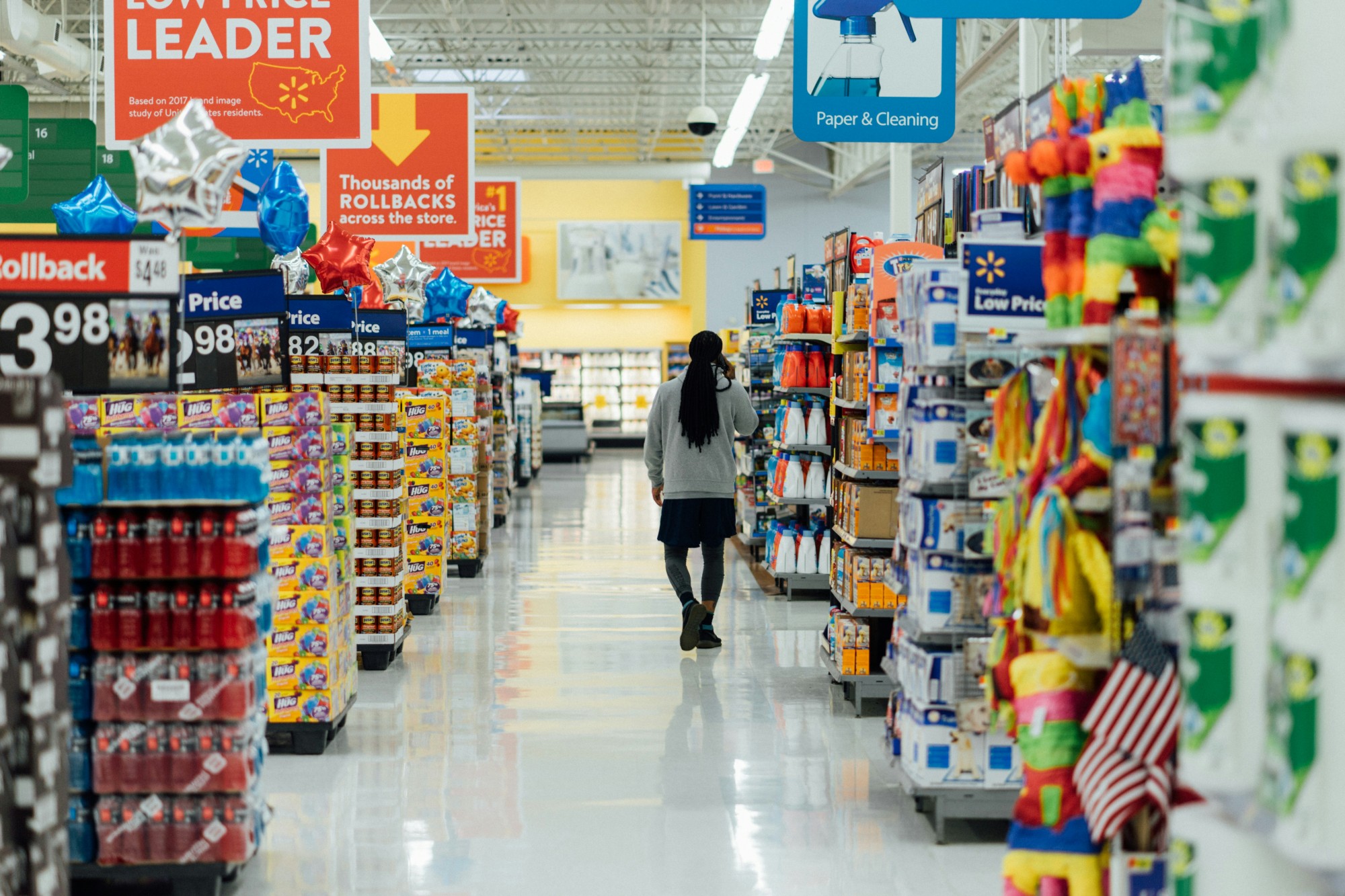
The Iran war started with gas prices. Now it’s moving into everything else.
Major consumer goods companies across the United States and Europe are warning that the oil price shock triggered by the closure of the Strait of Hormuz is creating a new wave of cost pressure — one that will show up not just at the gas pump but in grocery aisles, restaurant bills, delivery fees, and the price of products that require plastic, fertilizer, or long-distance shipping to reach store shelves.
Reuters reported Monday that consumer companies are now stress-testing their pricing strategies as oil costs compound existing pressures from tariffs and supply chain disruptions. The analysis covers dozens of major brands — in food, beverage, personal care, and household products — all of whom face the same basic problem: energy costs touch every step of manufacturing and distribution, and those costs have risen sharply since February 28.
The Strait of Hormuz closure that began with the Iran war has reduced global seaborne oil supply by an estimated 14 million barrels per day. That shock sent Brent crude above $96 per barrel in mid-April. Gasoline at the American pump crossed $4 a gallon nationally and has not meaningfully retreated — even with the ceasefire extension Trump announced last week — because the naval blockade on Iranian ports remains in place.
The downstream effects are now working through the supply chain in ways that will affect household budgets beyond fuel. Fertilizer prices have risen roughly 50% since early March, a cost that will flow into food prices for staple crops over the coming months. Plastic packaging — derived from petrochemicals — has increased in cost, affecting everything from bottled water to cleaning products. Jet fuel is up approximately 95% since the war began, a figure airlines are absorbing through higher fees and ticket prices.
Some companies are already moving. Restaurant chains that locked in commodity contracts before the conflict have protection through the second quarter, but face sharp increases when those contracts roll over. Consumer goods companies that sell products with shorter shelf lives and faster supply cycles are already passing costs through to retailers — which means those retailers are about to pass them to you.
Energy Secretary Chris Wright said last week that gas prices have likely peaked and will start declining. That assessment depends entirely on the strait reopening — which requires both a permanent ceasefire deal and a lifting of the naval blockade, neither of which is imminent given Iran’s internal power shift and the stalled state of negotiations.
For the average American household, the most visible near-term effects are likely to be grocery price increases on fresh produce, dairy, and packaged goods, alongside continued fuel costs that are compressing discretionary spending. The University of Michigan’s consumer sentiment index hit its lowest reading on record in April — worse than 2008 and the pandemic — and the oil shock working its way through consumer goods is one reason economists do not expect that reading to improve quickly.