Business
Iran Blockade Is Keeping Gas Above $4 — When Does It Come Down?
By Mike Harper · April 24, 2026
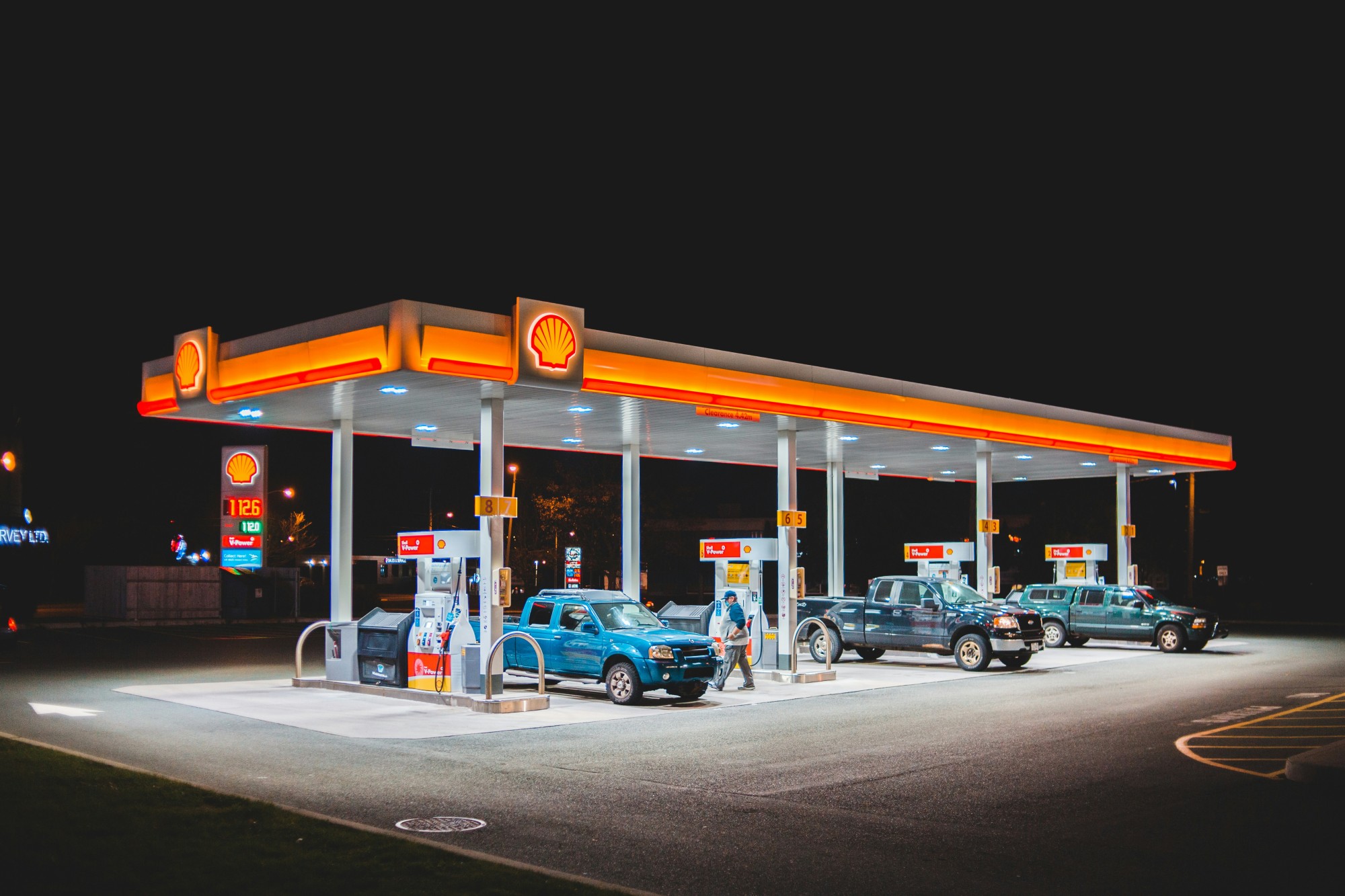
The Iran ceasefire is holding. The naval blockade is not lifting. And the gas price at your local station is not going back to where it was before the war started.
A gallon of regular gasoline cost an average of $4.05 across the United States as of this week, according to the motor club federation AAA. Before the Iran war began on February 28, that same gallon cost $2.98. The $1.07-per-gallon increase represents one of the fastest sustained fuel price spikes in years — driven almost entirely by what is happening in a narrow waterway 7,000 miles from the nearest American gas pump.
The Strait of Hormuz, a 21-mile-wide passage between Iran and Oman, is the single most important chokepoint in global energy markets. Roughly 20 million barrels of oil per day — approximately 20% of all seaborne oil trade — transited the strait before the conflict began. Since the war started, that flow has been reduced to a fraction of its normal volume. Iran closed the strait. The U.S. imposed a naval blockade on Iranian ports. Traffic collapsed.
The International Energy Agency has called the resulting disruption the largest supply shock in the history of global oil markets. Gulf states, unable to export through the strait at normal volumes, have cut production by more than 14 million barrels per day. Prices for Brent crude, the international benchmark, climbed above $96 per barrel in mid-April before pulling back slightly as ceasefire hopes emerged.
Even with Trump’s ceasefire extension announced Tuesday, the blockade on Iranian ports remains in place. That is the sticking point. Iran has repeatedly said it will not reopen the strait or resume full commercial traffic until the blockade is lifted. Trump has refused to lift it until Iran presents a unified proposal to end the conflict permanently.
The practical result is that the strait remains effectively closed to normal shipping, and the supply shock that sent prices above $4 a gallon has not been resolved by the ceasefire — only paused.
Energy Secretary Chris Wright acknowledged the situation on CNN’s State of the Union over the weekend, telling viewers that gas prices might not fall meaningfully until next year.
“But prices have likely peaked, and they’ll start going down,” Wright said.
Whether that assessment holds depends heavily on how quickly a lasting deal is reached. Analysts say even if a permanent agreement were signed today, it would take months for tanker traffic to normalize — because shipowners remain wary of re-entering waters that were active combat zones weeks ago, and because damaged energy infrastructure across the Gulf region takes time to repair and restart.
The ripple effects extend beyond the pump. Jet fuel prices in North America have spiked roughly 95% since the conflict began, a cost airlines are already passing through in the form of higher baggage fees and ticket prices. Shipping surcharges from carriers including Amazon and FedEx have quietly appeared on deliveries. Fertilizer prices — dependent on natural gas flowing through the strait — have risen 50% since early March, a cost that will eventually work its way through to grocery prices for staples like corn and wheat.
The ceasefire bought time. It did not fix the underlying problem. Until the strait reopens and the blockade lifts, the math on gas prices does not meaningfully change.